Loading details…

Artist
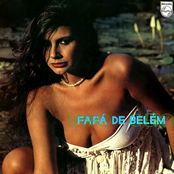
Fafá de Belém
12+ albums
mpbfemale vocalistsbrasilbrazilianamazonia
about
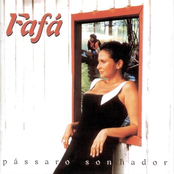
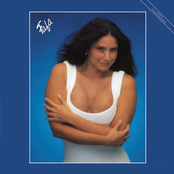
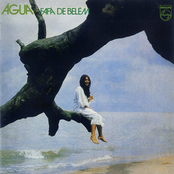
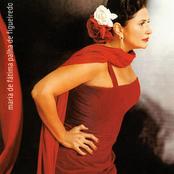
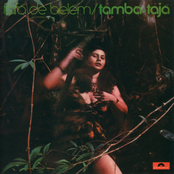
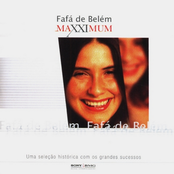
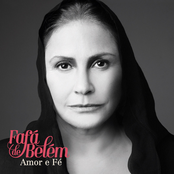
Maria de Fátima Palha de Figueiredo (born 9 August, 1956 in Belém, Brazil), best known as Fafá de Belém (Fafá of Belém), is a popular Brazilian MPB and fado singer, actress and active political activist, coming from a Portuguese family with indigenous and Afro-Brazilian elements and having Portuguese citizenship. In 1976, Fafá released her first LP, Tamba-Tajá. Her singing seduced even the demolishing critic of Brazilian music from Jornal do Brasil, the feared José Ramos Tinhorão, who poured over her praises, pointing her out as a singer destined to figure in the first team of the current generation of great Brazilian interpreters. The following album, Água (1977) confirmed all predictions: it reached about 100 thousand copies sold. Although she never thought of becoming a professional singer, since she was 9 years old, Fafá de Belém was an attraction at parties promoted by her family or at friends' houses. In spite of being a little girl, she interpreted as a grown-up "Ouça", a hit by Maysa, or "Eu e a Brisa", by Johnny Half. She was a girl who, like her generation, loved the Beatles, was a fan of Roberto Carlos and the Jovem Guarda group, but was also fascinated by jazz, classical music, and got emotional listening to the great radio singers, like Cauby Peixoto, Angela Maria, Núbia Lafayette and Orlando Silva, "People with a dagger in their chests", who she likes to use as models to interpret. "Today I see myself as a singer of the great loves, of the losses and reunions