Loading details…

Artist
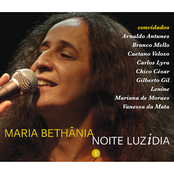
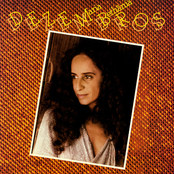
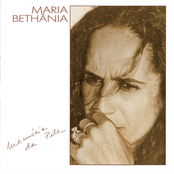
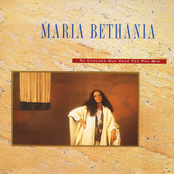
Maria Bethânia
12+ albums
mpbBossa Novafemale vocalistsbrasilbrazilian
about
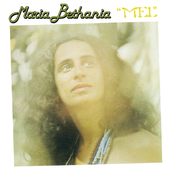
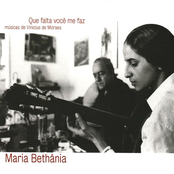
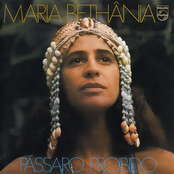
Maria Bethânia Viana Teles Veloso (June 18, 1946, Santo Amaro da Purificação, Bahia, Brazil), professionally known as Maria Bethânia, is a Brazilian singer and occasional poet and songwriter, having acquired the title of "Abelha Rainha" (Queen Bee) throughout her career. She is the second best selling Brazilian female singer of all time, with more than 24 million albums sold, considered to be one of the greatest interpreters in the history of Brazilian popular music. Sister of the also popular and renowned singer and composer Caetano Veloso, she began her artistic career in 1963, appearing in the play "Boca de Ouro" by Nelson Rodrigues. A song about the play was written by Caetano Veloso, who opened the show singing a samba track by Ataulfo Alves. That year she met Gilberto Gil, Gal Costa, Tom Zé, Djalma Correa, Pitti, Alcivando Luz and Fernando Lona in Salvador, with whom she performed at the commemorations inaugurating the Vila Velha de Salvador theatre in 1964 in the shows "Nós por exemplo" and "Nova bossa velha, velha bossa nova". In 1964 she also appeared in "Mora na Filosofia", her first solo show, when she met Nara Leão. As 1965 she replaced the muse of bossa nova in the show at Teatro Opinião (Rio de Janeiro), sharing the stage with Zé Kéti and João do Vale. She stood out for her stirring interpretation of the song "Carcará". In 1965 she also recorded her first record, a single containing the tracks "Carcará" and "É de manhã", the first recording of Caetano Veloso’s

![Maricotinha Ao Vivo [Disc 1]](https://lastfm.freetls.fastly.net/i/u/174s/a85971ea8d9c7620ed5b9f185817aed3.png)