Loading details…

Artist
Chabuca Granda
12+ albums
Perufolkfemale vocalistslatinvals criollo
about
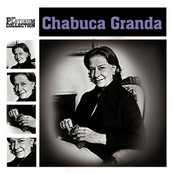
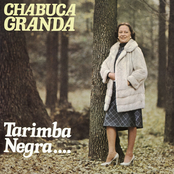
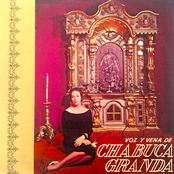
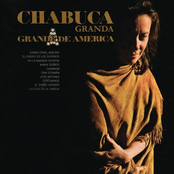
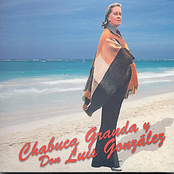
María Isabel Granda Larco (Cotabamba, Apurímac, Perú, 3 September 1920 – Miami, USA, 1983), better known as Chabuca Granda, was a beloved Peruvian singer and composer. She created and interpreted a vast number of Criollo waltzes with Afro-Peruvian rhythms. Her best known song is "La flor de la canela" (The Best of the Bunch" or "Cinnamon Flower)". Biography María Isabel Granda Larco was born on 3 September 1920, in a copper mining area in the region of Apurímac. She began singing at 12 years old, in the school choir at the exclusive girl's school Colegio Sophianum, in San Isidro. At this age she sang as a soprano (an operation later gave her the deep voice for which she is remembered). However, she wasn't well known until after her divorce, a scandal in contemporary Lima's conservative Catholic society. Early in her career her work was expressive and picturesque – evoking the romantic and beautiful neighborhood of Barranco in Lima, with its grand French houses with impressive entrances and winter gardens. Some of her most famous songs from this period are "Lima de Veras", "La flor de la Canela", "Fina Estampa", "Gracia", "José Antonio", and "Zeñó Manué", to name a few. She broke the conventional rhythmic structure of the waltz, later broke convention with her poetic cadences as well. Later in her career she wrote songs dedicated to the Chilean Violeta Parra and to Javier Heraud, a Peruvian poet who died in 1968. Towards the end of her career, Chabuca Granda incorporated A