Loading details…

Artist
Aracy Cortes
12+ albums
brazilian
about
Zilda de Carvalho Espíndola, known as Aracy Cortes, (Rio De Janeiro, Mar 31, 1904 - Rio De Janeiro, Jan 8, 1985) was a Brazilian singer. Been born in the Estácio, it was created by the very severe godmother; it grew and it was changed with the family for the Catumbi, where had as neighboring a young master of flute, Pixinguinha, the founder of the group Oito Batutas. For proper initiative it started to sing in some theaters of the city, becoming known by the voice of timbre soprano and the personal style on sing. The recognition came with the song "Que Pedaço", of Sena Pinto (1923), and after that another success, "Jura", by Sinhô (1928). With recurrent shows in the vaudeville, that congregated the creme de la creme of the artistic people, it was projected as first the great popular singer in Brazil, the first woman to be distinguished in a work totally did for men. Was the first to sing "Aquarelas do Brasil" (aka "Brazil"), by Ary Barroso, the first and more important song exported to U.S.A. Aracy showed one of the biggest names of the samba-canção. User-contributed text is available under the Creative Commons By-SA License; additional terms may apply.
top songs
albums
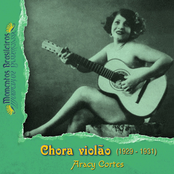
Chora violão (1929 - 1931)
▥
Flor do lodo (1930 - 1954)
▥
Rosa de Ouro

The Music of Brazil / Araci Cortes, Volume 2 / Recordings 1930 - 1934
▥
Coleção Folha Raízes da Música Popular Brasileira Vol. 25: Sinhô
▥
Clássicos de Outrora, Vol: 1
▥
Aquarela Musical do Brazil: Brasileirinho
▥
[Acervo}
▥
La Ventanita
▥
assis valente
▥
Ary Barroso em Aquarelas, Vol: 4
▥
Aracy Cortes