Loading details…

Artist
Mário Reis
12+ albums
sambaloungempbbrasilchill906
about
Mário Reis (Mário da Silveira Meirelles Reis - 12/31/1907 Rio de Janeiro - 10/5/1981 Rio de Janeiro) was one of the best interpreters of Brazilian popular music. Active and successful from 1928 to 1936, he helped popularize the (at the time) unknown and genial composers of the Carioca hills throughout Brazil, with his 161 interpretations recorded on 82 78 rpms. From a middle-class family, he was already a violão student when he knew Sinhô (the King of Samba). Reis had an original style that was lighthearted, jumpy, and humorous, contrasting with the hegemonic bel-canto school of those days. In August 1928, Odeon released the first record of Reis's, with "O Que Vale a Nota sem o Carinho da Mulher" and "Carinhos de Vovô," both by Sinhô, and with the sole accompaniment of Sinhô and Donga (another important, historic artist/composer), both playing violões. The originality of Reis's style was confirmed decades later when João Gilberto was introduced to the audiences in Brazil as "the new Mário Reis." For Odeon, Reis would record in that same year 18 songs, including Sinhô's "Sabiá" and "Deus Nos Livre do Castigo das Mulheres." The next album, with Sinhô's "Jura" and "Gosto Que Me Enrosco," broke selling records. Reis was the first to record a song by Ary Barroso: On August 1, 1929, Reis debuted on the radio singing Barroso's samba "Vamos Deixar de Intimidade" at the Rádio Sociedade. With the major singer Francisco Alves, he recorded 12 albums, beginning in 1930 with "Deixa Essa
top songs
albums
▥
Os Grandes Sambas da História
▥
Coleção Folha Raízes da Música Popular Brasileira Vol. 1: Noel Rosa
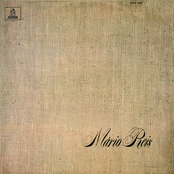
Mário Reis
▥
Noel Rosa Pela Primeira Vez -
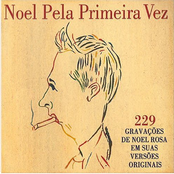
Noel Pela Primeira Vez
▥
Mário Reis Canta Suas Criações Em Hi-Fi
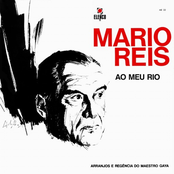
Ao Meu Rio
▥
07 Noel Rosa
▥
08 Noel Rosa
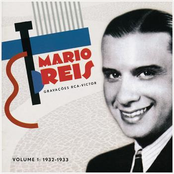
Mario Reis
▥
Noel Pela Primeira Vez - Volume 4 [Disc 1]
▥
Coleção Folha Raízes da Música Popular Brasileira Vol. 2: Lamartine Babo