Loading details…
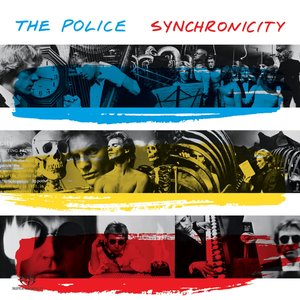
about this album
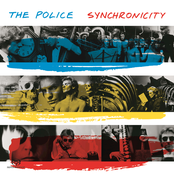
Synchronicity is the fifth and final studio album by The Police, released in 1983. Their most popular release together, Synchronicity includes the number one single, "Every Breath You Take." The album's title was inspired by Arthur Koestler's The Roots of Coincidence, which mentions Carl Jung's theory of Synchronicity. Sting was an avid reader of Koestler, and also named Ghost in the Machine after one of his works. Synchronicity topped both the Billboard Pop Albums and Billboard 200 charts (ending the reign of Michael Jackson's Thriller for a while in the US). It won a Grammy Award for Best Rock Performance by a Duo or Group with Vocal. In 2001, the TV network VH1 named Synchronicity the 50th greatest album of all time. In 2003, the album was ranked number 455 on Rolling Stone magazine's list of the 500 greatest albums of all time. The album marked a significant reduction in the reggae influences that were a part of the band's first four records, instead featuring production-heavy textures and liberal use of synthesizers that, at times, drove entire songs ("Synchronicity I", "Wrapped Around Your Finger"). The influence of World music can also be heard in songs such as "Tea in the Sahara" and "Walking in Your Footsteps". Sting's material dominates the album, with the two short tracks by Andy Summers ("Mother") and Stewart Copeland ("Miss Gradenko") being seen by the band themselves as concessions. As with their prior album, the basic tracks for Synchronicity were recorded
tracks
13:2323:3534:0043:0352:0065:5574:1184:5795:06104:11
Synchronicity I
The Police
Walking in Your Footsteps
The Police
O My God
The Police
Mother
The Police
Miss Gradenko
The Police
Synchronicity II
The Police
Every Breath You Take
The Police
King of Pain
The Police
Wrapped Around Your Finger
The Police
Tea in the Sahara
The Police