Loading details…

Artist
Philip Glass
12+ albums
minimalismcontemporary classicalClassicalambientSoundtrack
about
Philip Glass (born January 31, 1937) is an American composer. He is widely regarded as one of the most influential musicians of the late 20th century. Glass's work has been described as minimal music, having similar qualities to other "minimalist" composers such as La Monte Young, Steve Reich, and Terry Riley. Glass describes himself as a composer of "music with repetitive structures", which he has helped evolve stylistically. Glass founded the Philip Glass Ensemble, with which he still performs on keyboards. He has written numerous operas and musical theatre works, twelve symphonies, eleven concertos, eight string quartets and various other chamber music, and film scores. Three of his film scores have been nominated for Academy Awards. Glass was born in Baltimore, Maryland, the son of Ida (née Gouline) and Benjamin Charles Glass. His family were Jewish emigrants from Lithuania. His father owned a record store and his mother was a librarian. In his memoir, Glass recalls that at the end of World War II his mother aided Jewish Holocaust survivors, inviting recent arrivals to America to stay at their home until they could find a job and a place to live. She developed a plan to help them learn English and develop skills so they could find work. His sister, Sheppie, would later do similar work as an active member of the International Rescue Committee. Glass developed his appreciation of music from his father, discovering later his father's side of the family had many musicians
top songs
albums
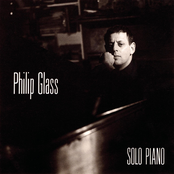
Solo Piano
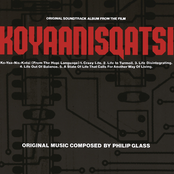
Koyaanisqatsi
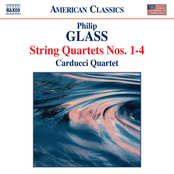
Glass: String Quartets Nos. 1-4
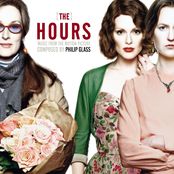
The Hours

Etudes for Piano Vol 1 No. 1-10
Glassworks
The Hours (Music from the Motion Picture Soundtrack)
Glassworks - Expanded Edition
Valentina Lisitsa Plays Philip Glass
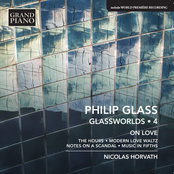
Philip Glass: Glassworlds, Vol. 4 – On Love
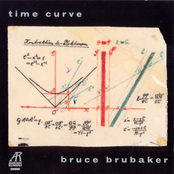
Time Curve: Music for Piano by Philip Glass and William Duckworth
Hope Street Tunnel Blues: Music for Piano By Philip Glass and Alvin Curran