Loading details…
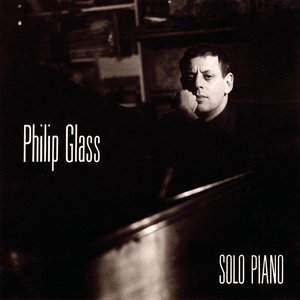
Album
Solo Piano
Philip Glass →202,520 listeners1,945,000 plays
minimalismpianominimalistcontemporary classicalclassical
about this album
"Metamorphosis" was written in 1988 and takes its name from a play based on Kafka's short story. Numbers three and four are from Glass's incidental music to the play, which he wrote to fulfill separate but nearly simultaneous requests from two different theater companies. Numbers one and two use themes from Glass's soundtrack to the acclaimed Errol Morris film "The Thin Blue Line", which depicts the true story of a man's wrongful conviction for the murder of a Dallas police officer. The touching melody of number two and the diatonic harmonies throughout provide an ironic counterpoint to the film's numerous reenactments of the shooting. The thrice repeated two-note theme (a descending minor third) in numbers one and five recalls the movie's pathetic litany of interviews and testimonies. Number five, which also draws on themes from "The Thin Blue Line", was composed as a finale to the set. "Mad Rush" was written for the occasion of the Dalai Lama's first public address in New York City, in the fall of 1981. Originally an open-structured or open-ended piece, it was first performed by Glass on organ during the Dalai Lama's entrance into the Cathedral of St. John the Divine. It was later performed on Radio Bremen and finally used by choreographer Lucinda Childs as accompaniment to a dance Mad Rush. It is cast in seven similar sections that create an extended ternary form. "Wichita Vortex Sutra" is the result of a chance meeting between two long-time friends, Glass and poet Allen