Loading details…

Artist
King of England Henry VIII
12+ albums
renaissanceearly musicClassicalcomposerenglish
about
Henry VIII (28 June 1491 – 28 January 1547) was King of England and Lord of Ireland, later King of Ireland and claimant to the Kingdom of France, from 21 April 1509 until his death. Henry was the second monarch of the House of Tudor, succeeding his father, Henry VII. Henry VIII was a significant figure in the history of the English monarchy. Although in the first parts of his reign he energetically suppressed the Reformation of the Anglican Church, which had been building steam since John Wycliffe of the fourteenth century, he is more often known for his ecclesiastical struggles with Rome. These struggles ultimately led to him separating the Anglican Church from Roman authority, the Dissolution of the Monasteries, and establishing the English monarch as the Supreme Head of the Church of England. Although some claim he became a Protestant on his death-bed, he advocated Catholic ceremony and doctrine throughout his life; royal backing of the English Reformation was left to his heirs, Edward VI and Elizabeth I. Henry also oversaw the legal union of England and Wales (see Laws in Wales Acts 1535–1542). He is noted in popular culture for being married six times. Henry was a Renaissance Man and his court was a centre of scholarly and artistic innovation and glamourous excess, epitomised by The Field of the Cloth of Gold. He was an accomplished musician, author, and poet. His best known musical composition is Pastime with Good Company or The Kynges Ballade. He was also known to ha
why this is interesting
# On Henry VIII's Enduring Significance This historical figure warrants sustained attention because his reign fundamentally reshaped English governance and religious identity. Henry's break with Rome wasn't merely doctrinal—it established royal supremacy over the church, a principle with lasting constitutional implications. His six marriages reveal how personal desire intersected with political strategy, creating legal precedents still studied today. Beyond scandal, Henry's court fostered remarkable artistic and intellectual exchange, while his administrative reforms strengthened the monarchy's institutional reach. His reign demonstrates how one individual's decisions—whether driven by theological conviction, dynastic anxiety, or personal need—can redirect an entire nation's trajectory, making him essential to understanding modern England's formation.
top songs
albums
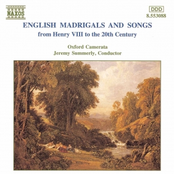
English Madrigals and Songs
▥
Renaissance Choir Music
▥
Classical Choir
▥
Tavernerto Tavener: 5 Centuries Of Music At Christ Church, Oxford
▥
Philip Jones Brass Ensemble, Music from the Royal Court
▥
If love now reigned
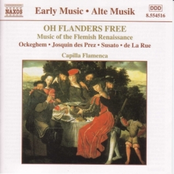
Oh Flanders Free: Music of the Flemish Renaissance
▥
Pastime With Good Companye
▥
Henry VIII
▥
Calliope Dances: A Renaissance Revel
▥
Psalterium
▥
Kurr