Loading details…

Artist
Jimmie Tarlton
12+ albums
folkjazzold timeyAllspotify
about
Jimmie Tarlton (born May 8, 1892 Cheraw, South Carolina - died November 29, 1979 Phenix City, Alabama) is best known for his partnership with Tom Darby (Darby & Tarlton), which lasted from the late '20s until the mid-'30s. The two were never especially fond of each other, however, and although they both saw some activity in the '60s as part of the folk-blues revival, and Tarlton got to make a record, there was no impetus for continuing the partnership. Tarlton's style was rooted in rural South Carolina, where he was born and raised. His father, a sometime farmer and sawmill worker, played a fretless banjo and his mother sang. At age six, Tarlton was playing banjo and French harp, and he later took up the guitar and learned to play bottleneck, using glass and a knife. In the '20s, he also discovered the Hawaiian guitar style. He played around the northeast and the Texas-Louisiana-Oklahoma region in the teens, and eventually made his way to California, playing at bars, cafes, and in medicine shows. Poor eyesight kept him out of World War I, and he made his living working at local cotton mills in South Carolina before becoming a telegraph worker. He began recording with Tom Darby in 1927, but across his career, his performances included collaborations with Hank Williams, Jimmie Rodgers, the Delmore Brothers, and the Skillet Lickers, among numerous others. Although Darby and Tarlton had a substantial hit with "Cumberland Stockade Blues" and "Birmingham Jail," their contract o
top songs
albums
▥
The History of Country & Western Music
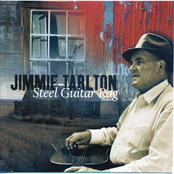
Steel Guitar Rag
▥
A Short Life of Trouble: Popular American Ballads 1927-1943
▥
Slidin' On The Frets: The Hawaiian Steel Guitar Phenomenon
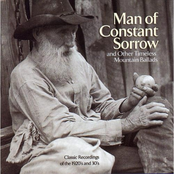
Man of Constant Sorrow and Other Timeless Mountain Ballads
▥
Times Ain't Like They Used To Be: Early American Rural Music, Vol. 4
▥
Which Way Does The Blood River Flow
▥
Hillbilly Classics
▥
Man Of Constant Sorrow And Other Timeless Moun
▥
Man of Constant Sorrow (and Other Timeless Mountain Ballads)
▥
Appalachian Heart: The Original Bluegrass Classics
▥
Times Ain't Like They Used to Be Vol. 4