Loading details…

Artist
Burnett & Rutherford
12+ albums
folkbluesbluegrassUSAWhat Shall We Do Without Us
about
“Dick Burnett and Leonard Rutherford travelled throughout the South from 1914 to 1950, spreading their good music, collecting good songs, and building a reputation for musical excitement that still holds today throughout the region. People from widely different geographic areas remember the singing of “Blind Burnett,” the “blind minstrel of Monticello,” and fiddling Leonard Rutherford, “one of the smoothest fiddlers ever to take a bow.” Sure, the old-time music of Burnett & Rutherford makes us travel in time, and it’s tempting to imagine the duo singing and playing in the streets of the mountain towns, while people are buck-dancing in rhythm with the banjo and fiddle. Even after 80 years,even played on a modern computer lap-top, their music sounds so exciting and immediate, joyful and honest all at once. Their version of “Willie Moore” is perhaps one my favorite performance on the Anthology… -On this page, you’ll read the full article that i started to quote in the beginning by the great country music historian Charles Wolfe. -and here, you’ll read more about the life and music of the duet -Dick Burnett claimed that he wrote the famous appallachian song “Man of constant sorrow” in 1913 but never recorded it. The Willie Moore Variations “Willie Moore” is the first real vernacular american folk ballad of the Anthology. The theme and verses of the song are very alike british broadside balladry but versions of the song could only be found in America. This tragic love tale
top songs
albums
▥
Complete Recorded Works (1926-1930)
▥
R. Crumb's Heroes Of Blues, Jazz & Country
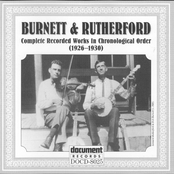
Burnett & Rutherford (1926-1930)
▥
Anthology Of American Folk Music, Vol. 1A: Ballads
American Folk Music
▥
Man of Constant Sorrow (and Other Timeless Mountain Ballads)
Anthology of American Folk Music
▥
Anthology of American Folk Music, Vol. 1: Ballads (Disc 1)
▥
American Epic: The Collection
▥
Baby, How Can It Be?
▥
American Murder Ballads
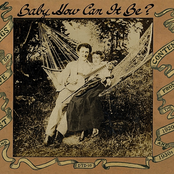
Baby, How Can It Be? (Songs Of Love, Lust And Contempt From The 1920s And 1930s)