Loading details…

Artist
Doo-Dooettes
12+ albums
experimentalnoiseExperimental RockAvant-Gardelafms
about
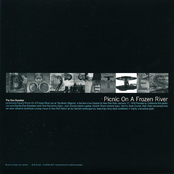
A solid backbeat was applied in the late '70s to the free-form improvisations of Los Angeles-based noise/experimental group the Doo-Dooettes. Their improvised music provided the soundtrack for a film, Think Space, about the Viking space-age pop of 1975, while their 1978 single, "Picnic on a Frozen River," a cover of a tune by German experimental rock band Faust, has been described as one of rock's greatest lost singles. According to Thurston Moore of Sonic Youth, the "unearthing of this recording is experimental rock history at its most historical and hysterical -- a completely bizarre and further-out counterpart to the L.A. punk scene." Their 1982 debut album, Free Rock, featured one lengthy improvisation, "Blueprint for the Shimmering Quivers of the Deep Purple Ultraviolent Tuning Fork." The origins of the the Doo-Dooettes trace back to a duo, the Two Who Do Duets, formed in March 1975 by electronic keyboardists Tom Recchion and Harold Schroeder. Expanded with the addition of Juan Gomez, the group was re-christened the Doo-Dooettes. Although they continued to grow, adding bassist Fredrick Nilsen and drummer Dennis Duck, their inability to break through commercially resulted in the loss of Schroeder, who relocated to Santa Monica. By the time they performed their final concert in the spring of 1984, they had been reduced to a duo featuring Recchion and Nilsen. The Doo-Dooettes were founding members of the Los Angeles Free Music Society (LAFMS), a collective of experimental