Loading details…
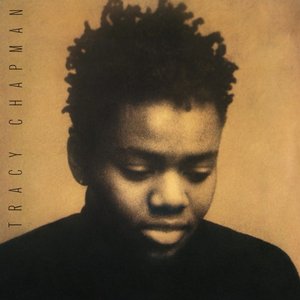
Album
Tracy Chapman
Tracy Chapman →1,445,952 listeners18,910,669 plays
folk1988female vocalists80sacoustic
about this album
Tracy Chapman is the self-titled debut studio album by American singer-songwriter Tracy Chapman, released on April 5, 1988, by Elektra Records. Produced by David Kershenbaum, the album is noted for its sparse, acoustic arrangements and socially conscious lyrics, which stood in stark contrast to the synthesized pop and glam metal dominating the charts at the time. The album's commercial breakthrough is famously attributed to Chapman's impromptu performance at the Nelson Mandela 70th Birthday Tribute concert in June 1988. After Stevie Wonder suffered equipment failure, Chapman took the stage alone with her guitar during prime time, captivating a global audience. Following this event, the album soared to number one on both the US Billboard 200 and the UK Albums Chart. It helped pave the way for the resurgence of the singer-songwriter genre in the 1990s, influencing a wave of artists such as Tori Amos and Sarah McLachlan. The record produced three major singles. The lead track, "Fast Car," peaked at number 6 in the UK and number 5 in the US.Decades later, in 2023, a cover of "Fast Car" by country star Luke Combs would revitalize interest in the album, making Chapman the first Black woman to score a number one country hit as a sole songwriter. The second single, "Talkin' Bout a Revolution," received significant airplay on modern rock radio, while the third single, "Baby Can I Hold You," became a standard in its own right, later becoming a number 2 hit for the Irish boy band Boyz
tracks
12:4025:4333:5842:0353:1464:4073:3982:5993:52102:55113:19
Talkin' Bout a Revolution
Tracy Chapman
Fast Car
Tracy Chapman
Across the Lines
Tracy Chapman
Behind the Wall
Tracy Chapman
Baby Can I Hold You
Tracy Chapman
Mountains o' Things
Tracy Chapman
She's Got Her Ticket
Tracy Chapman
Why?
Tracy Chapman
For My Lover
Tracy Chapman
If Not Now...
Tracy Chapman
For You
Tracy Chapman