Loading details…

Artist
rinsho kadekaru
12+ albums
Okinawajapaneseacousticfolkjapan
about
Rinsho Kadekaru (嘉手苅林昌 KADEKARU Rinsho) was born at Nakahara in Goeku Village in the centre of Okinawa on July 4th 1920. He began playing sanshin at the age of seven, and by the time he was 15 started to participate in his village's all night revelries known as mo-ashibi. These were outdoor parties that took place in open spaces on the outskirts of farming villages. Young people would sing, dance and drink, often until dawn, then do a full days hard labor in the fields, and party again the next night. The highest musical standards were maintained and Kadekaru soon gained a reputation for his sanshin playing and was often invited to perform at other village's jamborees. Successive authorities attempted to ban the mo-ashibi, these unruly gatherings were thought to be immoral, but they flourished until just before the second world war. In the pre-war years there are stories of parents encouraging their children to take part in the mo-ashibi every night, in the hope they would fail the medical for military conscription due to exhaustion. After the war, and the US occupation, the mo-ashibi was outlawed for good. Kadekaru stayed on the islands of Saipan and Tinian returning to Okinawa in 1949. His reputation had not been forgotten and he became one of the pivotal figures in the post-war Okinawa folk boom. He recorded nearly 250 songs for local record labels, more than any other musician. His reputation and prolofic output earned him the title of "The Godfather of Shima Uta". He con
top songs
albums
▥
The Last Session
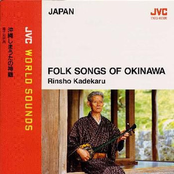
Folk Songs of Okinawa
Okinawa Shimauta -Densetsu no Kyojintachi (1)
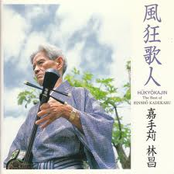
The Best of Rinsho Kadekaru
▥
Ryukyu No Fukaki Futokoro E
▥
Jvc Best World Sounds 100 6cd-Box (Disc 6)
▥
The Rough Guide to the Music of Okinawa
▥
飄 〜嘉手苅林昌の世界 その2〜
▥
JVC World Sounds <Japan> Folk Songs of Okinawa
▥
語やびら島うた 彈 〜嘉手苅林昌の世界〜
▥
情 〜嘉手苅林昌の世界 その3〜
▥
Okinawa Best Songs!