Loading details…

Artist
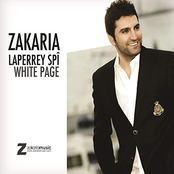
Zakaria Abdulla
12+ albums
kurdishSwedeniraqborn in iraq
about
Zakaria was born in Erbil, Kurdistan. Born into a musical family he dedicated most of his early childhood to music. In 1993, Zakaria moved to Sweden and began pursuing his music career. He initially played keyboards, composed and arranged, for other popular Kurdish stars. In 1998, his first album "To Hati" (You came) was well received by Kurdish audiences worldwide. The album was recorded with a good help from a swedish popular musician. "To Hati" was the first music video in his career. A year later, in the end of 1999, he released his second album "Bigerêwe" (Come Back). This album was produced by Zakaria Music Pro with some kurdish musicians. "Bigêrewe" was the only video in this album, recorded in Sweden. In 2001 his third album "Daye" (Mom) came such a BOMB to the store. "Daye" was a good mix of kurdish, middle-eastern and pop music. The album made Zakaria a star. "Daye" sold over 1,000,000 copies. "Daye" (Mom) and "Boçi hati" (why did you come?) was shot in Kurdistan. In 2002, Zakaria released his silver album "Rojgâr" (Days), selling more than 1,500,000 copies, attracting millions of fans from international Kurdish communities. "Rojgâr" consisted of 14 songs, was recorded in Turkey and Zakaria gives his music more "Fantazi style". The hit "Netbinim" (If I don't see you) was shot in Turkey, then "Rojgar" and "Tunazaneke" followed. By this time, Zakaria was well-loved and touring internationally. Concert appearances were often greeted by screaming fans, storming the