Loading details…

Artist
Wondeur Brass
12+ albums
Avant-ProgRIOProgressivecanadaAvant-Garde
about
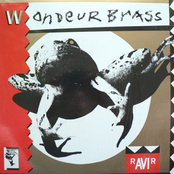
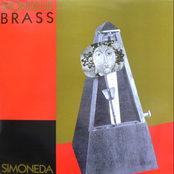
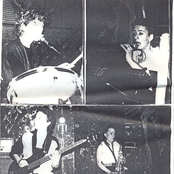
At first a nine-piece feminist, activist theatre-and-music group, Wondeur Brass sized down its line-up throughout the 1980s at the same speed it gained experience and focus. Started as an outsider big band of sorts, the group evolved into Montreal's sharper avant-garde rock proposal at the time, in sync with the experimental rock of New York and London. The group left two LPs, gave birth to the side project Les Poules, transformed into the group Justine in 1990 and most of all launched the careers of three pillars of Montreal's "musique actuelle" scene: Joane Hétu, Diane Labrosse, and Danielle P. Roger. Wondeur Brass' roots are on the Duluth street in late-'70s Montreal. A circle of left-field musicians and enthusiasts are advocating a music free of commercial diktats, music for and by the people. A benefit event for a feminist organization served as the catalyst for nine young women, all active in other groups or in-between groups, to form Wondeur Brass -- the name hints at the bra manufacturer and the format of this peculiar band: all brass plus piano and drums. Inspired by free jazz, punk, and new wave elements, the group quickly put together a first show where agitprop and confrontational discourse played equal parts with music -- in 1980, the simple fact of being an all-girls group pushed a point across. Acclaimed by feminists, the show left others hoping for better musicianship. By 1982, Wondeur Brass had toned down politics, added an electric bass, moved closer to ro