Loading details…

Artist
Wingy Manone
12+ albums
jazzswingtrumpetoldiesAll
about
Wingy Manone (Joseph Matthews Mannone, New Orleans, Louisiana, February 13, 1900 – July 9, 1982) was an American jazz trumpeter, composer, singer, and bandleader. His major recordings included "Tar Paper Stomp", "Nickel in the Slot", "Downright Disgusted Blues", "There'll Come a Time (Wait and See)", and "Tailgate Ramble". Manone (pronounced "ma-KNOWN") lost an arm in a streetcar accident, which resulted in his nickname of "Wingy". He used a prosthesis, so naturally and unnoticeably that his disability was not apparent to the public. After playing trumpet and cornet professionally with various bands in his home town, he began to travel across America in the 1920s, working in Chicago, New York City, Texas, Mobile, Alabama, California, St. Louis, Missouri and other locations; he continued to travel widely throughout the United States and Canada for decades. Wingy Manone's style was similar to that of fellow New Orleans trumpeter Louis Prima: hot jazz with trumpet leads, punctuated by good-natured spoken patter in a pleasantly gravelly voice. Manone was an esteemed musician who was frequently recruited for recording sessions. He played on some early Benny Goodman records, for example, and fronted various pickup groups under pseudonyms like "The Cellar Boys" and "Barbecue Joe and His Hot Dogs." His hit records included "Tar Paper Stomp" (an original riff composition of 1929, later used as the basis for Glenn Miller's "In the Mood"), and a hot 1934 version of a sweet ballad of th
top songs
albums

Swinging Mainstream Sides

1940-1944
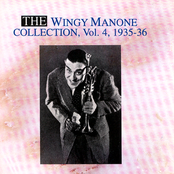
The Wingy Manone Collection Vol. 4 - 1935-1936

Complete Jazz Series 1940 - 1944
▥
1944-1946
▥
Masters of Classic Jazz: Dixieland

Complete Jazz Series 1944 - 1946
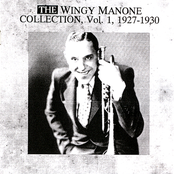
The Wingy Manone Collection Vol. 1

Complete Jazz Series 1927 - 1934

Complete Jazz Series 1935 - 1936
▥
Swingin' at the Hickory House: His 24 Greatest

Wingy Sings, Manone Plays - Isle of Capri & Other Great Hits