Loading details…

Artist
William Byrd
12+ albums
renaissanceClassicalearly musicenglishchoral
about
William Byrd (1540 or late 1539 –1623) was one of the most celebrated English composers in the Renaissance. He lived until well into the seventeenth century without writing music in the new Baroque fashion, but his superbly constructed keyboard works marked the beginning of the Baroque organ and harpsichord style. Byrd's life is interesting because of his Roman Catholic sympathies combined with his work in the court of the Anglican Queen Elizabeth I. He composed much music, if intermittently, for the Roman Catholic liturgy, particularly in his later years; the two volumes of Gradualia are a prime example. Possibly as a result of this he did not receive widespread recognition in his lifetime, but was very well respected among the Roman Catholic gentry. In the anti-Catholic frenzy following the 1605 Gunpowder Plot, the first volume of the Gradualia (1605), was banned in England under penalty of imprisonment, as indeed was all of his Catholic music; however, his Anglican music - such as the Short Service, and the Responses - has been sung in English cathedrals uninterrupted for the past four centuries. User-contributed text is available under the Creative Commons By-SA License; additional terms may apply.
top songs
albums
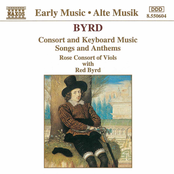
BYRD: Consort and Keyboard Music / Songs and Anthems
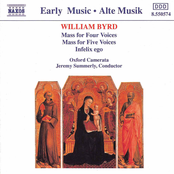
Byrd: Masses for Four and Five Voices
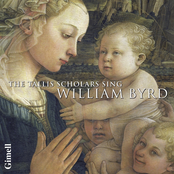
The Tallis Scholars sing William Byrd
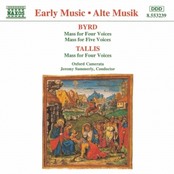
BYRD / TALLIS: Masses
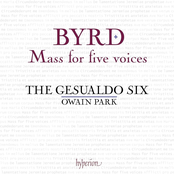
Byrd: Mass for Five Voices; Ave verum corpus; Lamentations & Other Works
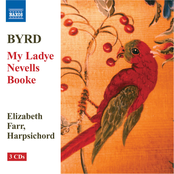
Byrd: My Ladye Nevells Booke (1591) (Complete)
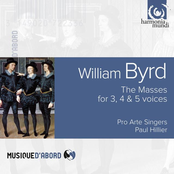
Byrd: The Masses for 3, 4 & 5 voices
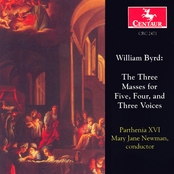
Byrd, W.: Masses - A 3, 4, 5
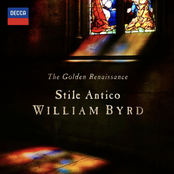
The Golden Renaissance: William Byrd
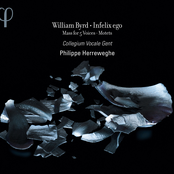
Byrd: Infelix ego, Mass for 5 Voices & Motets
Upheld by Stillness, Renaissance Gems and their Reflections
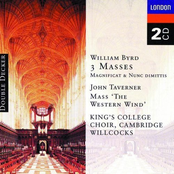
3 Masses (disc 2)