Loading details…

Artist
Uyghur Muqam Ensemble
12+ albums
central asianchineseuyghurfolkChina
about
Muqam is the classical musical style. The 12 Muqams are the national oral epic of the Uyghurs. The muqam system developed among the Uyghur in northwest China and Central Asia over approximately the last 1500 years from the Arabic maqamat modal system that has led to many musical genres among peoples of Eurasia and North Africa. Uyghurs have local muqam systems named after the oasis towns of Xinjiang, such as Dolan, Ili, Kumul and Turpan. The most fully developed at this point is the Western Tarim region's 12 muqams, which are now a large canon of music and songs recorded from the traditional performers Turdi Akhun and Omar Akhun among others in the 1950s and edited into a more systematic system. Although the folk performers probably improvised their songs as in Turkish taksim performances, the present institutional canon is performed as fixed compositions by ensembles. The Uyghur Muqam of Xinjiang has been designated by UNESCO as part of the Intangible Heritage of Humanity. User-contributed text is available under the Creative Commons By-SA License; additional terms may apply.
top songs
1
Chabbiyat Tazi Marghul
5562Chabbiyat Tazi Marghul (Uyghur)
593Chabbiyat Tazi Marghul - Uyghur Muqam Ensemble
94Chabbiyat Tazi Marghal
15Muqam: Chabbiyat (Chap Bayat) - Tazi Marghul
16奥坦巴雅宛木卡姆
17Chabbiyat Tazi Marghul (Hong Kong)
18Chabbiyat Tazi Marghul [Uyghur]
19Traditional - Chabbiyat Tazi Marghul (Uyghur)
110区尔巴雅宛木卡姆
1albums
▥
The Silk Road: A Musical Caravan
▥
The Silk Road: A Musical Caravan (Disc 1)
▥
The Silk Road: A Musical Caravan Disc 1
▥
The Silk Road - A Musical Caravan - Masters and Traditions (1 of 2)
▥
THE SILK ROAD - a Musical Caravan
▥
The Silk Road: A Musical Caravan [Disc 1]
▥
Silk Road: A Musical Caravan
▥
Silk Road
▥
The Silk Road; A Musical Caravan CD1
▥
The Silk Road - A Musical Caravan - Masters and Traditions
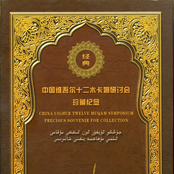
中国维吾尔十二木卡姆研讨会:珍藏纪念 / جۇڭگو ئۇيغۇر ئون ئىككى: مۇقامى ئىلمىي مۇھاكىمە يىغىنى خاتىردسى China Uighur Twelve Muqam Symposium: Precious Souvenir for Collection
▥
The Silk Road: Musical Caravan (Masters and Traditions)