Loading details…

Artist
Ulsamer Collegium
12+ albums
renaissancemedievalearly musicClassicalbaroque
about
Well known for their rendition of basse danse, which are Monophonic songs based on a tenor cantus firmus; the length of the choreography was often derived from popular chansons. In performance, 3 or 4 instrumentalists would improvise the polyphony based on this tenor. In others, multiple parts were written, though in the style of the day choices regarding instrumentation were left to the performers. Most famous, perhaps, are the Basse Danses assembled in 1530 by Pierre Attaingnant that remain today in "The Attaingnant Dance Prints", which included parts for four voices which were typically improvised upon by adding melodic embellishment (as Attaingnant rarely included such ornamentation, with occasional exceptions such as "Pavin of Albart", an embellishment upon "Pavane 'Si je m'en vois'").[2] Basse danses from this collection have been revisited and recorded by various ensembles including the Josef Ulsamer & Ulsamer Collegium. Most basse danses consisted of a binary form with each section repeated, such as the "No. 1: Basse Danse" from the publication "Danseries a 4 parties" by Pierre Attaingnant, published in 1547.[3] User-contributed text is available under the Creative Commons By-SA License; additional terms may apply.
top songs
albums
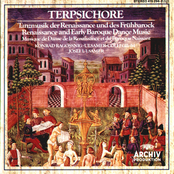
Terpsichore
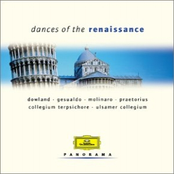
Panorama: Dances of the Renaissance CD1
▥
Dances of the Renaissance
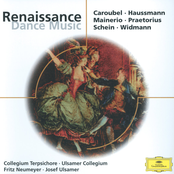
Renaissance Dance Music
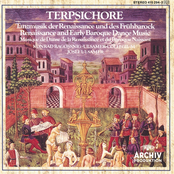
Terpsichore: Renaissance and Early Baroque Dance Music
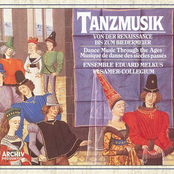
Dance Music Through the Ages: Renaissance; Early Baroque; High Baroque; Rococo; Viennese Classical Period; Biedermeier Period
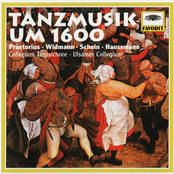
Tanzmusik um 1600
▥
Dance Music Through the Ages: Renaissance; Early Baroque; High Baroque; Rococo; Viennese Cl
▥
Dances of the Renaissance CD 1 (Deutsche Grammophon Panorama)
▥
Dance Music Of The High Renaissance
▥
Dances of the Renaissance CD 2 (Deutsche Grammophon Panorama)
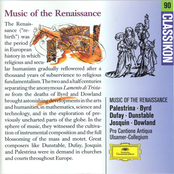
Music of the Renaissance