Loading details…

Artist
Udi Hrant
12+ albums
turkishoudturkish classicalArmenianworld
about
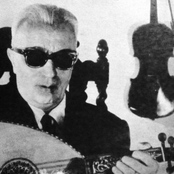
Hrant Kenkulian (1901–1978), usually referred to as Udi Hrant ("ud-player Hrant") or sometimes as Hrant Emre ("Hrant of the soul") was an ud player of Turkish classical music, and a key transitional figure in its transformation into a contemporary popular music. He was an ethnic Armenian citizen of Turkey who spent most of his life in Turkey and wrote most of his lyrics in Turkish. He went to the United States of America to have his blindness treated, and performed while there. Born near Istanbul, he was declared blind four days after his birth. Several attempts (including by doctors in Vienna) failed to restore his eyesight, which prevented him from playing in ensembles. He made a modest living playing in cafes, giving music lessons, and selling instruments. There is some question about when he first recorded; he claimed to have made a record at nineteen years old, but his earliest known recordings would appear to be from no earlier than 1927, since they used an electronic microphone. He slowly but steadily gained more fame as a musician. Some of his Turkish recordings were released internationally as early as the 1930s, first on RCA Victor, and later on such labels as Balkan (New York), Perfectaphone and Yıldız (probably, according to Hagopian, a single company, address unknown), and Istanbul (Los Angeles). Composer Şeirf Içli introduced him to Kanuni Ismail Şençalar, in whose group he played for a while, leading to opportunities to perform on Ankara Radio. In 1950, a wea
you might also explore
▤Books
▧Games
▣Movies
▦TV
top songs
albums
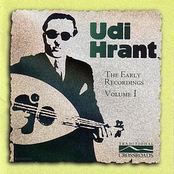
The Early Recordings
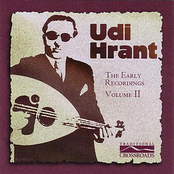
Udi Hrant - The Early Recordings, Vol. 2

Memories Of Istanbul
▥
Istanbul 1925
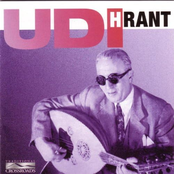
Udi Hrant
What Remains of Eden: Anatolian & Levantine Music 1928-1952
▥
The Early Recordings, Vol. 1
▥
Oriental Jazz (50's & 60's Authentic Recordings)
▥
Hicaz / Nihavent Faslı
▥
What Remains of Eden: Anatolian & Levantine Music from 78s, ca. 1928-52
Can All Times Be One?: Solo, Duo & Trio Performances From 1950s Indepent U.S. Labels
▥
İstanbul 1925