Loading details…

Artist
The Wild Magnolias
12+ albums
funkNew Orleanssoulrhythm and bluesnew orleans rhythm and blues
about
This information is copied from the Wild Magnolias web site http://www.wildmagnolias.net Hands down, New Orleans is the world's most musical metropolis. What's more, the Big Easy can also tout itself as the most exotic, exuberant city on the planet. These sensual delights converge and complement each other in the rich tradition of the Mardi Gras Indians. Between their irresistible folk-routed music and their stunning, ornate costumes, the Indians unleash a sensory barrage that epitomizes New Orleans’ “always for pleasure” aesthetic. And among New Orleans’ many tribes, none exceeded the talent, renown and flamboyance of the Wild Magnolias. Many misconceptions surround the Mardi Gras Indians. First and foremost, they are not Native Americans. The Mardi Gras Indians were black working-class groups that are part secret and spiritual society and part neighborhood social club. Fifteen or so tribes parade on Mardi Gras Day, chanting, singing, and beating percussion instruments. They are costumed in elaborate, handmade outfits that fancifully recall the dress of Native Americans, complete with feathers, ornate beadwork, and enormous head dresses. The spy boys mentioned in Sugar Boy Crawford's song, Jock-A-Mo, are scouts who check out the route before a tribe advances. In decades past, this was a serious assignment, because of the possibility of violent, armed confrontations. The origins of this tradition - which has striking parallels in the Caribbean, especially Trinidad - have
top songs
albums
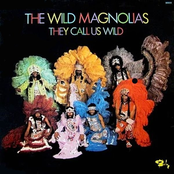
They Call Us Wild
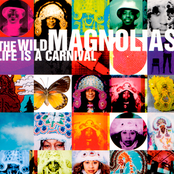
Life Is A Carnival
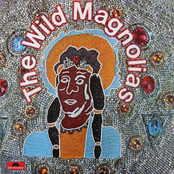
The Wild Magnolias
▥
Our New Orleans
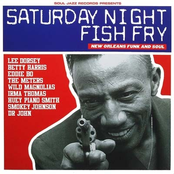
Saturday Night Fish Fry: New Orleans Funk And Soul
▥
Saturday Night Fish Fry
▥
Best of New Orleans (Mardi Gras Indians)
▥
Our New Orleans: A Benefit Album
▥
Mardi Gras In New Orleans
▥
Ultimate Breaks & Beats Vol.5

Chef Vol. 2 (Original Soundtrack Album)
▥
Pulp Fusion - Vol. 7 - The Harder They Come