Loading details…

Artist
The Jazz Epistles
12+ albums
jazzafricanbebopafrican jazz50s
about
Jazz Epistles was South Africa's first important (albeit short lived) bebop band. Inspired by Art Blakey's Jazz Messengers, its members included Dollar Brand (later known as Abdullah Ibrahim) on piano, Kippie Moeketsi on alto saxophone, Jonas Gwangwa on trombone, Hugh Masekela on trumpet, Johnny Gertse on guitar, and Early Mabuza or Makaya Nthsoko on drums. The group became famous after performing in the jam sessions called Jazz at the Odin in the Odin Theater in Sophiatown. In 1959 just before breaking up, Jazz Epistles recorded the first album by a black South African band, Jazz Epistle, Verse 1. That same year, composer Todd Matshikiza's musical King Kong became a hit in Johannesburg. It used a jazz score to tell the tragic story of South African heavyweight boxer Ezekial "King Kong" Dhlamini. Miriam Makeba, members of the Manhattan Brothers, and the Jazz Epistles musicians were involved in the production. The 1960 Sharpeville Massacre marked the beginning of an era of vicious apartheid and greater repression of African culture. After Sharpeville, the government imposed a State of Emergency, made mass arrests, issued thousands of bannings, and put activists who challenged apartheid laws on trial. The repression extended to African arts. Jazz was an expressive force seeking musical and social equality. The apartheid system could not tolerate it. Performances were not allowed, jazz was prohibited from radio broadcasts, and prominent musicians were threatened. When the pro
top songs
albums
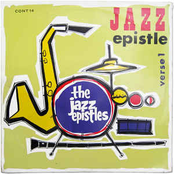
Verse 1+
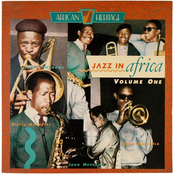
Vol. 1-Jazz In Africa
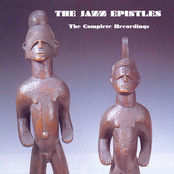
The Complete Recordings
▥
Jazz Epistles
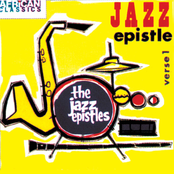
Jazz Epistle Vol 1
▥
Freedom Blues
▥
Jazz Epistles Verse One
▥
The Complete Recordings (feat. Hugh Masekela & Dollar Brand)
▥
Verse One
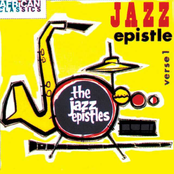
Verse 1
▥
Jazz Epistle Verse 1
▥
Jazz Epistle (Complete Recordings) [feat. Hugh Masekela, Kippie Moeketsi & Abdullah Ibrahim] [Remastered]