Loading details…

Artist
The Flying Lizards
12+ albums
new wavepost-punkexperimental80selectronic
about
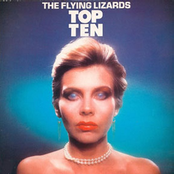
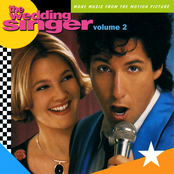
The Flying Lizards was an experimental new wave / post-punk pop group from London, UK, which existed from 1976 to 1984. The group was formed and led by David Cunningham, whose concept was to have a loose-knit line-up: the group included avant-garde and free-improvising musicians like David Toop and Steve Beresford (both of General Strike), as well as keyboard player Julian Marshall (of the duo Marshall Hain) and the late painter Michael Upton. Vocal duties tended to be taken by a variety of female singers such as Deborah Evans-Stickland (1978-9), Vivien Goldman (1979), Patti Palladin (1981) and Sally Peterson (1984). The Flying Lizards are known mostly for their singles featuring quirky but catchy covers of pop hits from the mid 1950s to early 1970s, cloaking the band's avant-garde sensibilities, in true post-modern fashion, in the guise of the then popular novelty genre. These covers were "Summertime Blues" (1978, original by Eddie Cochran), "Move On Up" (1981, original by Curtis Mayfield), "Sex Machine" (1984, original by James Brown) and "Dizzy Miss Lizzie" (1984, original by Larry Williams). But their biggest hit was their 1979 cover of Barrett Strong's "Money (That's What I Want)", which remains popular to this day due it having since become a regular staple in popular Hollywood movies and TV shows, such as The Wedding Singer, Empire Records, the first Charlie's Angels and Lord of War. The unlikely success of their single "Money" allowed the band creative freedom to r