Loading details…

Artist
The Dixie Hummingbirds
12+ albums
gospelThe Dixie Hummingbirdssoulbluesvocal
about
The Dixie Hummingbirds are an influential American gospel music group, spanning more than 80 years from the jubilee quartet style of the 1920s, through the "hard gospel" quartet style of Gospel's golden age in the 1940s and 1950s, to the eclectic pop-tinged songs of today. Formed in 1928 in Greenville, South Carolina, by James B. Davis and his classmates, they sang in local churches until they finished school, then started touring throughout the South. Lead singer Ira Tucker joined the group in 1938 at age 13, and they signed with Decca Records. In addition to his formidable vocal skills, Tucker introduced the energetic showmanship - running through the aisles, jumping off stage, falling to his knees in prayer - copied by many quartets that followed. Tucker also took the lead in the stylistic innovations adopted by the group, combining gospel shouting and subtle melismas with the syncopated delivery made popular by The Golden Gate Quartet, as well as adventuresome harmonies, which the group called "trickeration", in which Paul Owens or another member of the group would pick up a note just as Tucker left off. The group relocated to Philadelphia, Pennsylvania in the 1940s. During the years, a number of talented singers starred in the group—their bass, William Bobo (known as Thunder), tenor Beachey Thompson, James Walker (who replaced Owens), and Claude Jeter, who went on to star for The Swan Silvertones. The Hummingbirds added a guitarist, Howard Carroll, who added even more p
top songs
albums
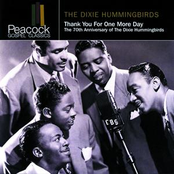
Thank You For One More Day: The 70th Anniversary Of The Dixie Hummingbirds
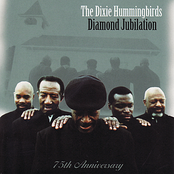
Diamond Jubilation: 75th Anniversary
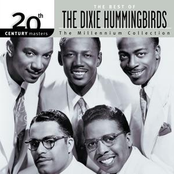
20th Century Masters: The Millennium Collection: Best of The Dixie Hummingbirds
Platinum Gospel: The Dixie Hummingbirds
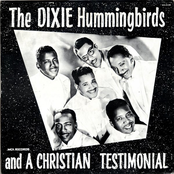
A Christian Testimonal
▥
Golden Gospel Classics: The Dixie Hummingbirds
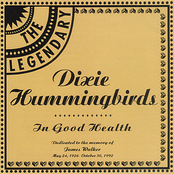
In Good Health
▥
20th Century Masters - The Millennium Collection: The Best of the Dixie Hummingbirds
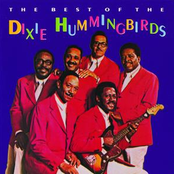
The Best Of The Dixie Hummingbirds
Presenting The Dixie Hummingbirds
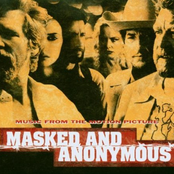
Masked & Anonymous
▥
The Gospel Roots Of Elvis Presley