Loading details…

Artist
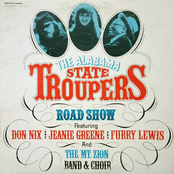
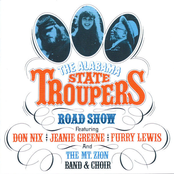
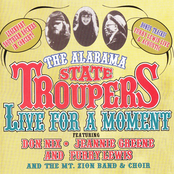
The Alabama State Troupers
12+ albums
countrybluesfolk rockgospelDon Nix
about
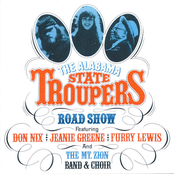
The brainchild of Elektra president Jac Holzman, producer Russ Miller, and singer-songwriter Don Nix (best know for his work with The Marr-Keys, The Alabama State Troupers were originally envisioned as a traveling roadshow meant to showcase the talents of various Southern musicians who had been signed to the Elektra imprint. Among the acts to be showcased were Nix, Lonnie Mack and his band, singer Jeannie Greene (best known for her work supporting Elvis Presley). and an all star collection of sessions players dubbed the Mt. Zion Band and Choir. original plan was to include Lonnie Mack and his backing band in the enterprise. Holzman's entertaining book Follow the Music has an entertaining segment where Miller talks about what happened next. Having finished all the arrangements for the tour, literally days before the tour was to kick off Nix called Miller to tell him that Mack had vanished. Miller eventually tracked him down to a house way out in the Ohio countryside only to discover that Mack had recently awoken from a dream with a biblical vision telling him not to tour. Unable to get Mack to change his mind, Miller and Nix turned to bluesman Furry Lewis as a backup. Lewis had backed Nix on his 1970 solo debut "In God We Trust." User-contributed text is available under the Creative Commons By-SA License; additional terms may apply.
why this is interesting
# Why This Album Merits Attention This project represents a fascinating historical artifact of how major record labels attempted to democratize Southern music through live presentation. Rather than isolating individual artists, the roadshow format united disparate talents—from session musicians to Elvis's backing singers—creating an unconventional collaborative space. The album captures something rare: an era when regional authenticity still held considerable commercial weight, before Nashville's standardization and before the industry's fragmentation into narrow genres. By assembling these particular musicians under one banner, the project implicitly argues that Southern soul, rock, and blues existed on a continuum rather than as separate entities. The cultural significance lies in its moment—a snapshot of how producers imagined bringing diverse