Loading details…

Artist
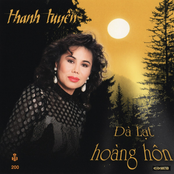
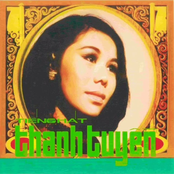
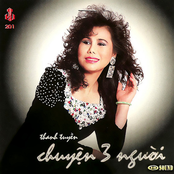
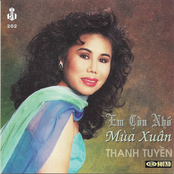
Thanh Tuyền
12+ albums
nhac vangvietnam
about
Thanh Tuyền (real name: Nguyễn Như Mai) is a Vietnamese singer. She was born on October 29, 1948 in Đà Lạt. Her family moved to Saigon where she attended Bùi Thị Xuân and Lê Văn Duyệt high school. Thanh Tuyền's famous sibling is Sơn Tuyền. She is also Shayla's mom. In 1979, Thanh Tuyền's family came to the United States and settled in Washington and then Houston, Texas. As a child, Thanh Tuyền demonstrated a nack for singing and performance. At the age of five, against the wishes of her parents, she studied music with an uncle. Consequently, she was often disciplined for being so defiant. She later studied music under Mr. Mạnh Phát. She first sang publicly at Thông Nhất Theater in Saigon at the age of 7. She received many praises for this performance and the newspapers at the time gave her the title, "Như Mai The Prodigy". In her words, "I only wanted to have a voice like the sound of a stream to bathe the masses". Thanh Tuyền also plays the guitar, dances, acts, and sings Vọng cổ. In 1964, after signing an exclusive contract with Continental studio, she recorded the hit Chiều Mưa Biên Giới by Mr. Nguyễn Văn Đông. Almost overnight, Thanh Tuyền became a household name. That same year, she received recording awards from South Vietnam's recording industry. When asked about her source of influence, Thanh Tuyền states that she really does not model after any artist or style. In fact, she just sings the way she feels. She claims that when she performs, the music and her emotions
why this is interesting
# Thanh Tuyền This work merits attention as a document of Vietnamese musical identity during a transformative era. Thanh Tuyền's career spans pre-war Saigon through diaspora, capturing a moment when traditional Vietnamese aesthetics encountered Western popular forms. Her voice carries the technical refinement of formal training alongside an emotional directness that resists artifice. What distinguishes her contribution is how thoroughly she inhabited the tension between cultural preservation and artistic evolution—refusing easy nostalgia while honoring her heritage. For listeners curious about twentieth-century Vietnamese music, or about how artists navigate displacement and cultural continuity, her work offers genuine insight into both personal resilience and broader historical currents.