Loading details…

Artist
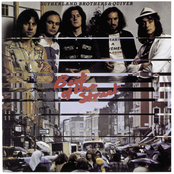
Sutherland Brothers & Quiver
12+ albums
rock70spopHome collectionclassic rock
about
Sutherland Brothers (Gavin and Iain Sutherland) originally performed as a folk / rock duo in the field of British music in the early 1970s, and then joined with Quiver to record and tour as The Sutherland Brothers and Quiver. The Sutherland Brothers began their career in 1968 as A New Generation, having some early success with the single "Smokie Blues Away" (which used a melody based on the main theme of Dvorak's, New World Symphony). Subsequently re-billed as The Sutherland Brothers Band, they won a new recording contract with Island Records and put out two albums in 1972. Their first minor hit was "The Pie" in 1970. In an effort to diversify and expand their folk based sound, the Sutherland Brothers joined forces with a local rock band known as Quiver. Quiver included the guitarist Tim Renwick, keyboardist Peter Wood and drummer Willie Wilson. Their joint greatest success came under the credit of The Sutherland Brothers and Quiver. Several moderately successful albums were released by Island Records throughout the 1970s under this joint name before they moved to CBS Records where they recorded, amongst other songs, the Top Ten hit single, "Arms of Mary", which also became a hit when covered two years later by the Canadian group, Chilliwack. The band were just reaching their peak as the punk music explosion happened; they ended up being ousted from their residency at London's Marquee Club to make way for the likes of The Damned and X-Ray Spex. The group quickly found that
why this is interesting
# Why This Album Matters This collaboration represents a genuine meeting of sensibilities between two distinct musical identities. The Sutherland Brothers brought their folk-informed songwriting and vocal harmonies, while Quiver contributed instrumental sophistication and progressive rock textures, creating something neither group could achieve alone. Rather than a simple merger, the album explores how acoustic and electric traditions might coexist—a question that occupied serious musicians throughout the 1970s. The craftsmanship is evident in arrangements that resist easy categorization, drawing from folk, rock, and progressive influences without surrendering melodic clarity. For listeners curious about how British rock acts navigated between commercial accessibility and artistic ambition during this era, the album offers