Loading details…

Artist
Stephen Faulkner
12+ albums
quebecoisunder 2000 listeners
about
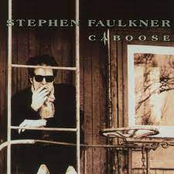
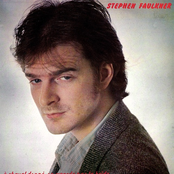
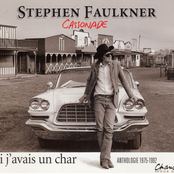
Born in 1954 in Montreal, Stephen Faulkner fits better than nearly anybody the tag "independent artist". His shifting styles and unflinching artistic principles have ensured him a relative anonymity that is completely at odds with the recognition given him by his peers. He remains an enigma, a bit like Neil Young's image was at the beginning, when Young's manager Elliott Roberts purposely draped his artists in a cloak of publicity-shyness in order to augment their appeal. However, what works in a huge market like the United States tends to transfer into no visibility in a miniscule but competitive music market like Quebec's. He first became well-known as Plume Latraverse's guitarist and songwriting partner in the early seventies. Plume gave him the nickname "Cassonade" and it was under that name that he recorded his first, country-flavoured album. "Si j'avais un char" ("If I had a car") became a Québécois classic, but relatively few connect that song to the name Stephen Faulkner, even if it's been sung around countless summer evening campfires - it was recorded under the name Cassonade. Faulkner's refusal to play the publicity game hobbled his ability to capitalize on his excellent artistic output, characterized by such albums as "A cheval donné on r'garde pas la bride" (Don't Look A Gift Horse in the Mouth") in 1980 and "Caboose" (which won a country music Félix in 1992). A CD anthology featuring his first two albums came out during the 90s and the new century saw him
why this is interesting
# Why Stephen Faulkner Deserves Attention This work exemplifies how artistic integrity and stylistic restlessness can coexist productively. Faulkner's refusal to calcify into a recognizable brand—pursuing instead whatever the music demands—produces something increasingly rare: an artist whose evolution feels genuine rather than strategic. His relative obscurity reflects not a lack of merit but a deliberate distance from the machinery that manufactures visibility. For listeners curious about how an independent sensibility actually operates, untethered from commercial pressure or aesthetic compromise, his catalog offers genuine insight. The craft here rewards close attention precisely because it assumes the listener's patience and serious engagement.