Loading details…

Artist
Sister Rosetta Tharpe
12+ albums
gospelbluessoulfemale vocalistsguitar
about
"Sister" Rosetta Tharpe (1915–1973) was a pioneering U.S. Gospel singer and songwriter who attained great popularity in the 1930s and 1940s with a unique mixture of spiritual lyrics and early rock accompaniment. She became the first great recording star of Gospel music, first surfacing on the pop charts in 1939 with "This Train", her version of the traditional gospel standard. Born Rosetta Nubin on the 20th March 1915 in Cotton Plant, Arkansas, she began performing at age four, billed as "Little Rosetta Nubin, the singing and guitar playing miracle", accompanying her mother, Church of God in Christ (COGIC) evangelist Katie Bell Nubin, who played mandolin and preached at tent revivals throughout the Southern U.S.A. Exposed to both blues and jazz both in the South and after her family moved to Chicago in the late 1920s, she played blues and jazz in private, while performing gospel music in public settings. Her unique style reflected those secular influences: she bent notes the way that jazz artists did and picked guitar like Memphis Minnie. Rosetta also crossed over to secular music in other ways. After marrying COGIC preacher Thomas Thorpe (from which "Tharpe" is a misspelling) in 1934 and moving to New York City, she recorded four sides with Decca Records backed by "Lucky" Millinder's jazz orchestra. Her records caused an immediate furore: many churchgoers were shocked by the mixture of sacred and secular music, but secular audiences loved them. Appearances in John Hammond'
top songs
albums
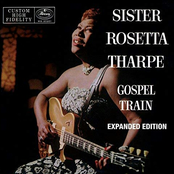
Gospel Train (Expanded Edition)
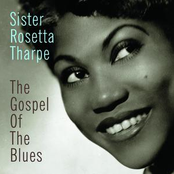
The Gospel Of The Blues
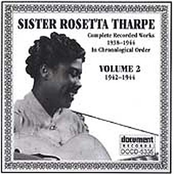
Sister Rosetta Tharpe Vol. 2 1942-1944
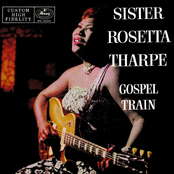
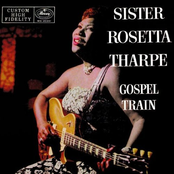
Gospel Train
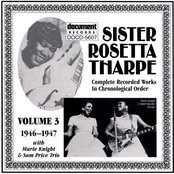
Sister Rosetta Tharpe Vol. 3 (1946-1947)
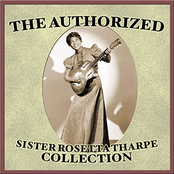
The Authorized Sister Rosetta Tharpe Collection
Complete Recorded Works, Vol. 3 (1946-1947)
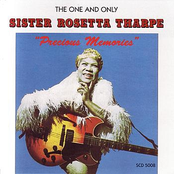
Precious Memories
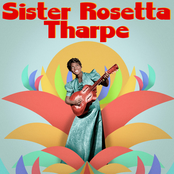
Presenting Sister Rosetta Tharpe
▥
Good News
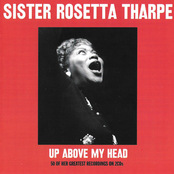
Up Above My Head
▥
House MD Soundtrack: Season 2