Loading details…

Artist
Salim Halali
12+ albums
maghrebjewishmoroccoworldalgeria
about
Salim Halali or Salim Hilali (in Arabic: سليم الهلالي , birth name Simon Halali, 30 July 1920 – 25 June 2005) was an Algerian singer who performed Arabic Andalusian classical music and Algerian music. He was a pop singer rather than a professional performer of traditional Arab-Andalusian music, in which he had no formal training. Many of his songs remain popular in North Africa and among Jewish and Arab North African communities in France, where he is "an iconic figure of French-Arab cabaret music." Salim Hallali stowed away on a ship bound for Marseille in 1934 and reached Paris in 1937 where he became successful as a singer in Parisian flamenco clubs, and met the Algierian music hall artist Mohamed el Kamel ), who wrote Halali's first songs, including Andaloussia (I love a girl named Andalusia), Sevillane, Taali, Ardjaâ lebladek, Bine el barah el youm wa (Between yesterday and today), Mounira (the name of one of his sister), Nadira, ouchq El Saheb, and El qelb chahik. In later years, Mohand Iguerbouchène composed fifty songs for him. In 1938, Halali toured Europe and his flamenco records in Arabic became successful in North Africa. Among his other successes are Al ain Zarga (The Blue Eyes), Mahenni zine (The beauty disturbed me), Habibti samra (My beloved has dark skin) and Allala illali. During the German occupation of France, Si Kaddour Benghabrit, the founder and first rector of the Great Mosque of Paris, managed to hide Salim's Jewish roots by providing him with a fal
you might also explore
▤Books
▧Games
▣Movies
▦TV
top songs
albums
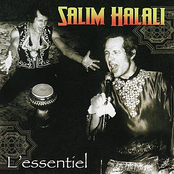
L'essentiel
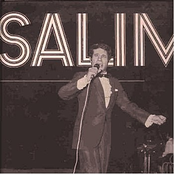
Live In Algers
▥
L'Album d'Or
▥
Salim Halali (L'essentiel en 18 chansons)
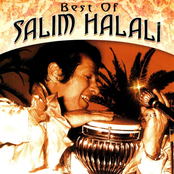
Best Of
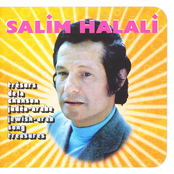
Salim Halali, Trésors de la Chanson Judéo-Arabe, Jewish-Arab Song Treasures
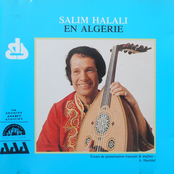
Salim Halali en Algérie
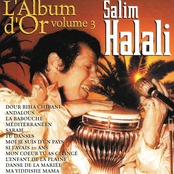
L'album d'or de Salim Halali, vol. 3
▥
Best of Halali Salim
▥
Le plus grand chanteur oriental, Vol. 2
▥
Salim Halali En Tunisie
▥
Trésors De La Chanson Judéo-Arabe