Loading details…

Artist
Ronnie Gilbert
12+ albums
folkcountryamericanaFemale Voicescivil war
about
Ronnie Gilbert (September 7, 1926 – June 6, 2015) was an American folk singer, songwriter and activist. She was one of the original members of the Weavers with Pete Seeger, Lee Hays, and Fred Hellerman. Gilbert was born in New York City, daughter of Jewish immigrants from Eastern Europe. Her mother, Sarah, was a dressmaker and trade unionist, and her father, Charles Gilbert, was a factory worker. Gilbert's singing was characterized as "a crystalline, bold contralto." The Weavers were an influential folk-singing group that was blacklisted in the early 1950s, during a period of widespread anti-communist feeling, because of the group's left-wing sympathies. Following the Weavers' dissolution in 1953 due to the blacklist, Gilbert continued her activism on a personal level, traveling to Cuba in 1961 on a trip that brought her back to the United States on the same day that country banned travel to Cuba. She also participated in the Parisian protests of 1968 after traveling to that country to work with British theatrical director Peter Brook. In the 1970s, Gilbert earned an MA in clinical psychology and worked as a therapist for a few years. Various well-known younger singers honor Ms. Gilbert for the example she set for them, and the influence she had on their careers, particularly Holly Near, with whom Gilbert has released three duet albums: 1983's Lifelines, 1989's Singing With You, and 1997's This Train Still Runs. Near and Gilbert also joined Arlo Guthrie and Pete Seeger f
you might also explore
▤Books
▧Games
▣Movies
albums
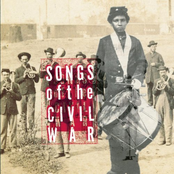
Songs of the Civil War
▥
Where Have All The Flowers Gone: The Songs Of Pete Seeger
▥
Harp - A Time To Sing!
▥
Lifeline Extended
▥
Folk Songs & Minstrelsy 1
▥
Songs of the Civil War [Columbia]
▥
It Could Be A Wonderful World
▥
Songs For A Better Tomorrow
▥
The Spirit is Free
▥
Lonesome Road: Gems from the Vanguard Vaults 1958-1962
▥
The Sound of Folk Music
▥
Love Will Find A Way