Loading details…

Artist
Roberto Menescal
12+ albums
Bossa NovajazzbrazilianJazz Sambalatin
about
The composer of bossa nova classics like "O Barquinho," "Ah, Se Eu Pudesse," "Errinho à Tôa," "Nós e o Mar," "Rio," "Você," and "Vagamente," Roberto Menescal (Roberto Batalha Menescal - 10/25/1937 Vitória, ES) started his professional career in 1957 as Sylvia Telles' sideman (on guitar) in a tour around Brazil. In 1958, he opened a guitar school in Copacabana (Rio) with Carlos Lyra, having as his pupils Nara Leão and his sister Danuza Leão. In the same year, he formed, with Luís Carlos Vinhas, João Mário, Henrique, and Bebeto, the Conjunto Roberto Menescal, one of the first instrumental groups of bossa nova. The group accompanied Dorival Caymmi, Vinícius de Moraes, Billy Blanco, Maysa, and Telles. Also in 1958, he participated, with Telles, Carlos Lyra, and other artists, in a show at the Clube Hebraica (Rio), when the words "bossa nova" were used (inadvertently, by the club's secretary) for the first time to advertise the event. Having taken part with his group in the recording of Garotos da Bossa Nova in 1959, he participated in the I Festival de Samba Session at the Teatro de Arena theater of the School of Architecture at the State University of Rio de Janeiro. Such informal venues were important vehicles for bossa nova among the middle-class university people who were more inclined to absorb and disseminate it, and Menescal was instrumental for the promotion of such concerts in 1959, 1960, and 1961. Also in 1959, he had his first recorded composition, "Jura de Pombo" (wi
top songs
albums
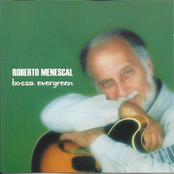
Bossa Evergreen
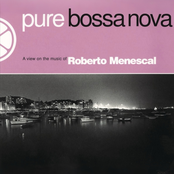
Pure Bossa Nova
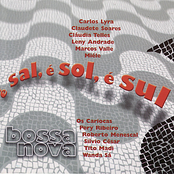
É Sal, É Sol, É Sul
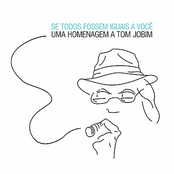
Se Todos Fossem Iguais A Você
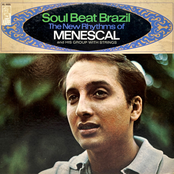
Soul Beat Brazil (The New Rhythms Of Menescal)
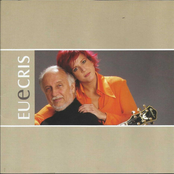
Eu E Cris
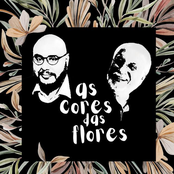
As Cores das Flores
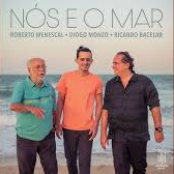
Nós e O Mar
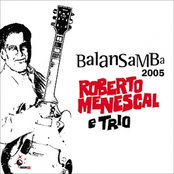
Balansamba 2005
Bossa Entre Amigos (Ao Vivo)
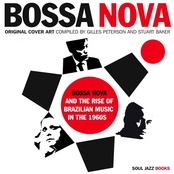
BOSSA NOVA and the Rise of Brazilian Music in the 1960s
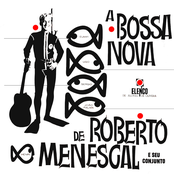
A Bossa Nova De Roberto Menescal E Seu Conjunto