Loading details…

Artist
Robert Maxwell
12+ albums
loungeinstrumentalamericanAllspace age pop
about
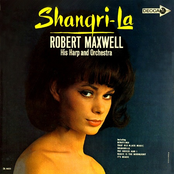
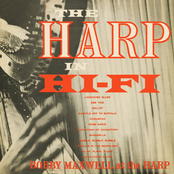
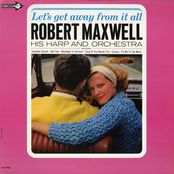
Raised in New York, Maxwell won a scholarship to Juillard in the late 1930s. He performed as a classical harpist with the National Symphony Orchestra and gave recitals in a number of major cities prior to joining the Coast Guard in World War II. In the Coast Guard, Maxwell played in a touring band led by Rudy Vallee, and Vallee encouraged him to write for the band and gave him featured spotlights in their performances. This whetted his appetite, and after his discharge, Maxwell went into commercial work, performing and arranging for radio and television and appearing in hotels and nightclubs with his own small combo. Maxwell was an innovator, refusing to accept the conventional view of the harp. For him, it was a percussion instrument. He experimented with different techniques for producing sound from the strings and frame, taking much the same approach as Ferrante & Teicher in their prepared piano works. He lead a small band that played the nightclub circuit in the late 1950s, livening up his stage appearances by wiring his harp into a light display that changed in synchronization with his playing. Maxwell's unique approach to music is suggested by the following note from his Command album, "Anytime!": Maxwell was not interested in using his harp in just "any" orchestral setting. He knew precisely what he wanted. He wanted to build the ensemble around an accordion quartet--three accordions and a bass accordion--combined with guitars, in order to get a very hard, drivi
you might also explore
▧Games
▤Books
▣Movies