Loading details…

Artist
Ray Heindorf
12+ albums
SoundtrackhollywoodSoundtracksAllarrangers
about
Ray Heindorf (August 25, 1908 - February 2, 1980) was an American songwriter, composer, conductor, and arranger. Born in Haverstraw, New York, Heindorf worked as a pianist in a movie house in Mechanicville in his early teens. In 1928, he moved to New York City, where he worked as a musical arranger before heading to Hollywood. He gained his first job as an orchestrator at MGM, where he worked on Hollywood Revue of 1929, and subsequently went on the road playing piano for Lupe Velez. After completing this engagement, he joined Warner Bros., composing and/or arranging and conducting music exclusively for the studio for nearly forty years. Heindorf, along with Georgie Stoll at MGM, were jazz aficionados well known in the black entertainment community for employing minority musicians in their studio music departments. He undertook the musical direction of Judy Garland's 1954 comeback film A Star is Born and made a cameo appearance as himself in the premiere party sequence where Jack Carson's character congratulates him on a great score. Among Heindorf's other screen credits are 42nd Street, Gold Diggers of 1935, The Great Lie, Knute Rockne All American, Kings Row, Night and Day, Tea for Two, A Streetcar Named Desire, The Jazz Singer, No Time for Sergeants, The Helen Morgan Story, Marjorie Morningstar, Damn Yankees, Auntie Mame, Finian's Rainbow, and his final musical for Jack Warner, 1776. Between 1943 and 1969 he was nominated for eighteen Academy Awards and won three, for
top songs
albums
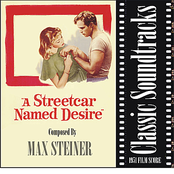
A Streetcar Named Desire (1951 Film Score)
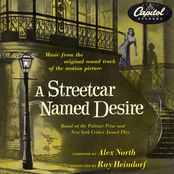
A Streetcar Named Desire (Original Motion Picture Soundtrack)
▥
A Streetcar Named Desire (Music From The Motion Picture)
▥
Baby Doll (Film Score 1956)
Sound Tapestries
▥
NPR - Milestones of the Millennium - Music in Film
▥
A Tribute To James Dean
▥
Film Noir Soundtracks
▥
A Streetcar Named Desire
▥
Calamity Jane
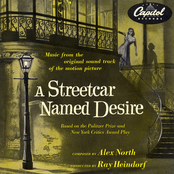
A Streetcar Named Desire (Music From The Original Motion Picture Soundtrack)
Baby Doll