Loading details…

Artist
Philippus de Caserta
12+ albums
ars subtiliormedievalClassicalitalianearly music
about
Philippus de Caserta, also Philipoctus or Filipoctus (dates unknown; late 14th century) was a medieval music theorist and composer associated with the style known as ars subtilior. Philippus is known to have worked at the Papal court at Avignon in the 1370s; his ballade, Par les bons Gedeons, praises antipope Clement VII. Most of his surviving works are ballades, although a Credo was recently discovered, and a rondeau has been attributed to him. His ballade En attendant souffrir was written for Bernabò Visconti, confirmed by the presence of Visconti's motto in the upper voice. Two of Caserta's pieces, En remirant and De ma dolour, use fragments of text from chansons by the most famous composer of the century, Guillaume de Machaut. Caserta's own repute was significant enough for Johannes Ciconia to borrow portions of Caserta's ballades for his own virelai, Sus une fontayne. Five theoretical treatises have been attributed to Caserta, with some in dispute among scholars. User-contributed text is available under the Creative Commons By-SA License; additional terms may apply.
top songs
1
De ma doulour
992En remirant
893Par Les Bons Gedeon Et Sanson Delivré
704De ma doulour (Ars Subtilor): De ma doulour (Ars Subtilor)
545En attendant souffrir
516Il n’est nulz homs en ce monde vivant
487Espoir dont tu m'a fayt partir
458En Remirant Vo Douce Pourtraiture
429Par les bons Gedeon et Sanson
4110Par les bons Gédéon, Fol. 45v (Ballade)
26albums
▥
Cesena: Songs for popes, princes & mercenaries
▥
Figures of Harmony: Songs of Codex Chantilly
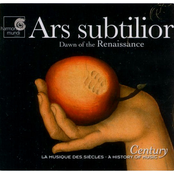
Century: La musique des siècles, Volume 7: Ars subtilior & Pré-Renaissance
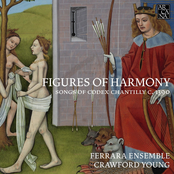
Fleurs De Vertus
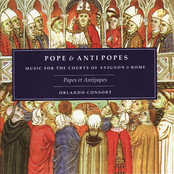
Popes & Antipopes
▥
Vertù contra furore
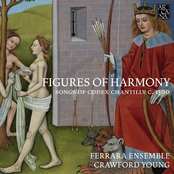
En Doulz Chastel De Pavie: Chansons à La Cour Des Visconti Vers 1400

Cesena: Songs For Popes, Princes And Mercenaries (c.1400)
Metamorfosi Trecento
▥
Norton Recorded Anthology of Western Music Disc 2
▥
Figures of Harmony: Songs of Codex Chantilly c. 1390
Johannes Ciconia & His Time