Loading details…

Artist
Philippe Hersant
12+ albums
contemporary classicalMacWhirrphilippe hersantexperimentalSoundtrack
about
Born in Rome on June 21st 1948, French composer Philippe Hersant studied at Paris Conservatory under Jolivet. Following this, he received bursaries to work at the Casa Velazquez, Madrid (1970-72) and the Villa Médici, Rome (1978-80). In 1973 he became a producer for Radio France. Over the course of his career, he has won many awards, including the Prix Arthur Honegger in (1994) and the Prix Maurice Ravel (1996), as well as three SACEM awards, including the Grand Prix de la Musique Symphonique (1998). He also acted as composer-in-residence for the Orchestra National de Lyon between 1998 and 2000. A composer renowned for the originality of his imagination and lyricism, he has composed works in a wide variety of genres with this imagination and lyricism pervading through all of them. His works often have neo-Classical and neo-Baroque elements, making references to the styles of composers in the past. He is often noted for his talents in orchestration, with Myriam Soumagnac saying ‘he has developed a mastery of orchestration which is as apparent in his handling of the full orchestra as in his skilful and often original exploitations of specific instrumental groups’. User-contributed text is available under the Creative Commons By-SA License; additional terms may apply.
top songs
1
Etre et avoir - Générique de fin
3162L’ombre d'un doute: II. La Messagère
1743Fantaisies sur le nom de Sacher, for String Orchestra: VIII.
1184La lande
905Hersant: Poèmes chinois: No. 5, Papillon de nuit
846L’ombre d'un doute: I. Fanfare
787Une Vision d'Hildegarde
658Hersant: Dreamtime
619Ephémères: IV. Dans l’air du soir
5810Path Of An Angel
55albums
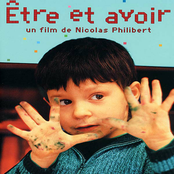
Etre et avoir (Bande originale du film de Nicolas Philibert)
▥
Hersant: L’ombre d'un doute: II. La Messagère
▥
Chants de l'isolé
▥
Philippe Hersant: Fantaisie sur le nom de Sacher: VIII.
Hersant: Instants limites (Clairvaux)
▥
Ephémères
The French Avant-Garde in the 20th Century
▥
Psychologie - Psychology
Hersant: Choral Works
▥
Hersant: Music for Bassoon
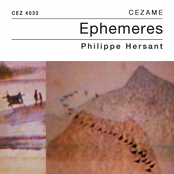
Ephemeres
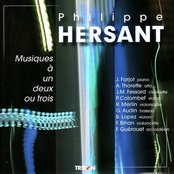
Philippe Hersant: Musique à un, deux ou trois