Loading details…

Artist
Petek Dinçöz
12+ albums
turkishpopfemale vocalistsAllfemale vocalist
about
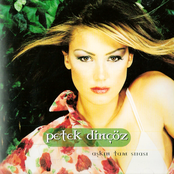
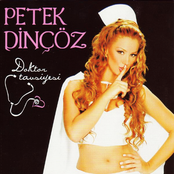
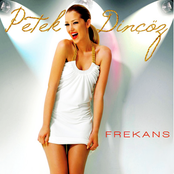
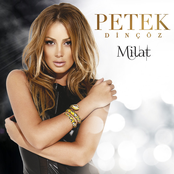
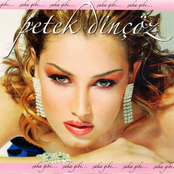
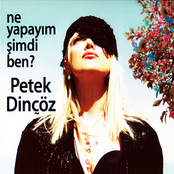
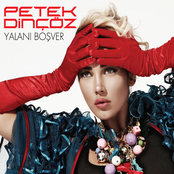
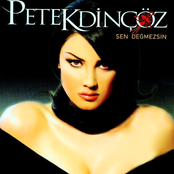
Didem Ezgü (born 29 May 1980), better known by her stage name Petek Dinçöz, is a Turkish singer, former model, actress and TV presenter. She was born in İzmir, Turkey to Esra Suay and Müjdat Fahri Ezgü. Her father died when she was a child and she has a younger brother named Necdet. Dinçöz studied at Gazi Middle School in İzmir and lived in İzmir until the age of 14. She left her formal education to pursue a modelling career. In 1997, she participated in a beauty pageant in Cyprus and finished second. After being discovered by Atilla Kaplakarslan, she trained in modelling for two years before competing in the 1999 Cyprus Beauty Pageant, where she was selected as Press Beauty. She began modelling in 1998 and joined the cast of the TV series Sırılsıklam in 1999. In 2000, she was cast in the TV series Zehirli Çiçek alongside Tuğba Özay and Çağla Şıkel. She co-presented a TV programme with Mehmet Ali Erbil. She launched her singing career in 2002 with her first studio album Aşkın Tam Sırası, which sold about 49 000 copies. With this album she won the Best Debut by a Female Artist award at the 8th Kral TV Video Music Awards. She has released multiple albums and singles across pop and fantezi genres, and has taken on various television and film roles. She married Can Tanrıyar in 2008, divorced in 2010, then on 8 July 2014 married Serkan Kodaloğlu with whom she has a son. The couple divorced on 15 March 2022. On 8 August 2022 she became engaged to business manager Nida
why this is interesting
# Why This Work Deserves Attention This artist's body of work reflects a deliberate evolution across multiple creative disciplines—music, performance, and visual presentation—that reveals how Turkish pop culture navigated aesthetic and commercial shifts in the late 1990s and 2000s. Rather than remaining static within a single formula, the work demonstrates thoughtful engagement with production values, vocal interpretation, and the intersection of celebrity culture with artistic identity. The distinctive quality lies not in revolutionary innovation, but in the careful craftsmanship evident in how songs were arranged and performed, and how the artist's presence shaped audience expectations during a transformative period in Turkish entertainment. For listeners interested in regional pop music history or the mechanics of star-building