Loading details…

Artist
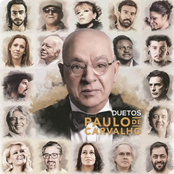
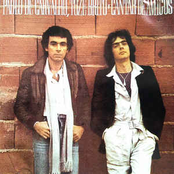
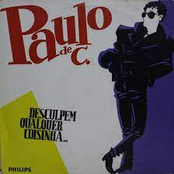
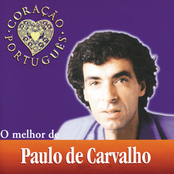
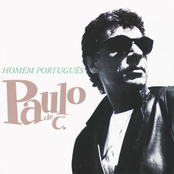
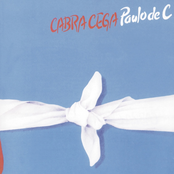
Paulo De Carvalho
12+ albums
fadopopportuguesePortugalfavorit
about
Manuel Paulo de Carvalho Costa (born May 15, 1947, in Lisbon, Portugal) is a Portuguese singer, songwriter, and musician, best known for his significant role in Portuguese popular music and his contribution to the Revolução dos Cravos (Carnation Revolution) through his Eurovision entry "E Depois do Adeus." Paulo de Carvalho began his music career in the 1960s as part of the band Os Sheiks, often referred to as the "Portuguese Beatles" for their influence on the Portuguese rock and roll scene. The band dissolved in 1968 when de Carvalho was called to serve in the Portuguese army during the ongoing colonial wars. Upon his return from military service, de Carvalho joined various music projects, including Fluido and Thilo’s Combo, before deciding to pursue a solo career. His voice and composition skills quickly made him a notable figure in the Portuguese music industry. Eurovision Song Contest and Political Influence In 1974, Paulo de Carvalho represented Portugal at the Eurovision Song Contest with the song "E Depois do Adeus." Although the song did not fare well in the competition, finishing 14th, it gained historical significance in Portugal. On April 25, 1974, the song was used as one of the two signals to trigger the Carnation Revolution, a peaceful military coup that ended the Estado Novo dictatorship and initiated a democratic transition in Portugal. "E Depois do Adeus" is forever linked with this pivotal moment in Portuguese history. De Carvalho returned to Eurovisio