Loading details…

Artist
Paolo da Firenze
12+ albums
medievalitalianars novarenaissancears subtilior
about
Paolo da Firenze (Paolo Tenorista, "Magister Dominus Paulas Abbas de Florentia") (c. 1355 – after September 20, 1436) was an Italian composer and music theorist of the late 14th and early 15th centuries, the transition from the musical Medieval era to the Renaissance. More surviving music of the Italian ars nova is attributable to Paolo than to any other composer except for Francesco Landini. An unusual amount of biographical information is available for Paolo; while details of the lives of composers of the 14th century are usually sparse, and often nonexistent, recent discovery of a richly illuminated manuscript of Paolo's music, as well as his will, have allowed biographers to piece together a basic outline. Paolo was born in Florence; his father's name was Marco, he was most likely from a humble family, and he had three brothers. When he resigned as abbot on June 16, 1433 he was seventy-eight years old, giving his approximate birthdate as 1355. He became a Benedictine around 1380, and the portrait of him in the Squarcialupi Codex shows him in a Benedictine black cassock; and on March 8, 1401, he took the post of abbot at S. Martin al Pino. Sometime before 1417 he became the rector at Orbatello, which post he probably retained until around 1427. Sometime during the first decade of the 15th century, probably nearer 1410, while in Florence, he supervised the compilation of the magnificent Squarcialupi Codex, the single most important source of music for the entire 14th cent
top songs
albums
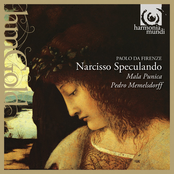
Paolo da Firenze: Narcisso Speculando
▥
harmonia mundi - Gold 2013
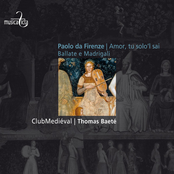
Da Firenze: Amor, tu solo'I sai - Ballate e Madrigali
▥
Sotto L'imperio del Possente Prince: Hommage Music of the 14th and Early 15th Century
Narcisso Speculando
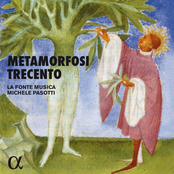
Metamorfosi Trecento
▥
A Revolution in the Late Middle Ages
▥
Le siècle de l'Ars Nova
▥
Regina Pretiosa: Una Celebrazione Mariana del Trecento Fiorentino
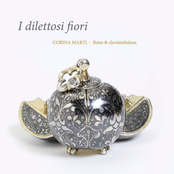
I dilettosi fiori
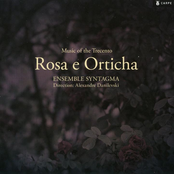
Rosa e Orticha
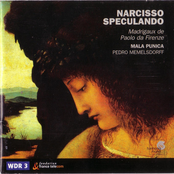
Narcisso speculando - Madrigaux de Paolo da Firenze