Loading details…

Artist
Otis Redding & The Pinetoppers
12+ albums
about
As a member of Pat T. Cake and the Mighty Panthers, Otis Redding toured the Southern United States on the chitlin' circuit, a string of venues that were hospitable to African-American entertainers during the era of racial segregation, which lasted into the early 1960s. Johnny Jenkins left the band to become the featured artist with the Pinetoppers. Around this time, Redding met Phil Walden, the future founder of the recording company Phil Walden and Associates, and later Bobby Smith, who ran the small label Confederate Records. He signed with Confederate and recorded his second single, "Shout Bamalama" (a rewrite of "Gamma Lamma") and "Fat Girl", together with his band Otis and the Shooters. Around this time he and the Pinetoppers attended a "Battle of the Bands" show in Lakeside Park. Wayne Cochran, the only solo artist signed to Confederate, became the Pinetoppers' bassist. When Walden started to look for a record label for Jenkins, Atlantic Records representative Joe Galkin showed interest and around 1962 sent him to the Stax studio in Memphis. Redding drove Jenkins to the session, as the latter did not have a driver's license. The session with Jenkins, backed by Booker T. & the M.G.'s, was unproductive and ended early; Redding was allowed to perform two songs. The first was "Hey Hey Baby", which studio chief Jim Stewart thought sounded too much like Little Richard. The second was "These Arms of Mine", featuring Jenkins on piano and Steve Cropper on guitar. Stewart later
top songs
albums
▥
Otis! The Definitive Otis Redding [Live] [Disc 1]
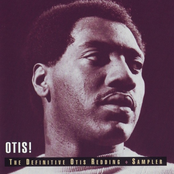
Otis! The Definitive Otis Redding
▥
Otis! The Definitive Otis Redding (Box Set)
▥
Shout Bamalama
▥
Otis!: The Definitive Otis Redding
▥
Get on the Right Track: Mod R&B, Jazz & Ska
▥
Otis! The Definitive Otis Redding [Disc 1]
▥
Otis! - The Definitive Otis Redding (Disc-1)
▥
Dreams to Remember - The Otis Redding Anthology
▥
The Best of Soul Music
▥
Songs We Taught The Detroit Cobras
▥
Soul Essentials (Disc 4)