Loading details…

Artist
Ossie Davis
12+ albums
All
about
Ossie Davis (December 18, 1917 – February 4, 2005) was an American film actor, director, poet, playwright, writer, and social activist. Davis was born Raiford Chatman Davis in Cogdell, Clinch County, Georgia. The name Ossie came from a county clerk who misheard his mother's pronunciation of his initials "R.C." when he was born.[1] Following the wishes of his parents, he attended Howard University but dropped out in 1939 to pursue his acting career in New York; he later attended Columbia University School of General Studies. His acting career, which spanned seven decades, began in 1939 with the Rose McClendon Players in Harlem. He made his film debut in 1950 in the Sidney Poitier film No Way Out. Career Davis experienced many of the same struggles that most African American actors of his generation underwent; he wanted to act but he did not want to play stereotypical subservient roles, such as a butler, that was the standard for black actors of his generation. Instead, he tried to follow the example of Sidney Poitier and play more distinguished characters. When he found it necessary to play a Pullman porter or a butler, he tried to inject the role with a certain degree of dignity. In addition to acting, Davis, along with Melvin Van Peebles, and Gordon Parks was one of the notable African American directors of his generation. Along with Bill Cosby and Poitier, Davis was one of a handful of African American actors able to find commercial success while avoiding stereotypical
top songs
albums
▥
A Voice Ringing O'er The Gale! The Oratory Of Frederick Douglass Read By Ossie Davis
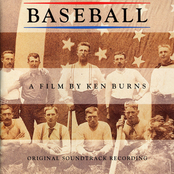
Baseball A Film By Ken Burns - Original Soundtrack Recording
▥
Christmas With Vanessa Williams
▥
The Freedom Archives: The Roots of Resistance Vol. One
▥
Autobiography of Frederick Douglass, Vol. 1
▥
Baseball - A Film By Ken Burns Soundtrack
▥
Frederick Douglass' Speeches inc. The Dred Scott Decision
▥
Autobiography of Frederick Douglass, Vol. 2
▥
Baseball : A Film By Ken Burns
▥
Baseball - A Film By Ken Burns (Original Soundtrack Recording)
▥
Baseball: A Film by Ken Burns
▥
Every Tone A Testimony