Loading details…

Artist
Oscar Lorenzo Fernandez
12+ albums
about
Oscar Lorenzo Fernández (born 4 November 1897 in Rio de Janeiro; died there 27 August 1948) was a Brazilian composer of Spanish descent. Fernández studied at the Instituto Nacional de Música with Francisco Braga, Frederico Nascimento, and Henrique Oswald. In 1923, Nascimento was taken seriously ill, and Fernández was designated his temporary substitute in the chair of upper-level harmony, an appointment which became permanent two years later (Kiefer 1986, 81). In 1936 he founded the Conservatório Brasiliero de Música in Rio de Janeiro, which he directed until his death. From 1939 onward, he also served as Professor of Choral Singing at the Conservatório Nacional de Canto Orfeônico. He composed a three-act opera, Malazarte (1931-33), to a libretto by José Pereira Graça Aranha, who adapted it from his own play of the same title. For the premiere at the Teatro Municipal, Rio de Janeiro, 1941), the libretto was translated into Italian. Malazarte is a nationalist work in both its subject matter and its musical content, and is considered the first successful Brazilian opera of this type (Béhague 2001). In 1941 Fernández extracted a three-movement suite from the opera, the last movement of which, "Batuque" (an Afro-Brazilian folk dance), became very popular. He also composed one ballet, two symphonies, five symphonic poems, two orchestral suites, one concerto each for piano and for violin, chamber music, about 80 compositions for piano, choral music, and 36 songs. User-contributed
top songs
albums
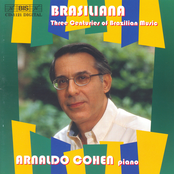
Brasiliana: Three Centuries of Brazilian Music
▥
Episódio Sinfônico
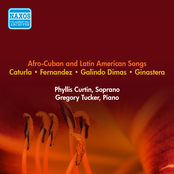
Vocal Recital: Curtin, Phyllis - Ginastera, A. / Galindo Dimas, B. / Caturla, A.G. / Fernandez, O.L. (Afro-Cuban and Latin American Songs) (1953)
▥
Dancas Brasileiras (Oeuvres de Nepomuceno, Villa-Lobos, Mignone, Guarnieri, Krieger, etc.)
▥
Coletânea - Raridades
▥
Reisado do Pastoreio
▥
Danças Brasileiras
▥
Brasileiro - Villa-Lobos & Friends
▥
Dancas Brasileiras
▥
Reisado do Patoreio Suíte
▥
Piano Music of Brazil
▥
Coletânea Piano Brasileiro Vol 3 - Miguel Proença