Loading details…

Artist
Music of Ancient Greece
12+ albums
ancient musicancientancient greeceAncient Greekantiquity
about
The music of ancient Greece was almost universally present in society, from marriages and funerals to religious ceremonies, staged dramas, folk music and the ballad-like reciting of epic poetry. It thus played an integral role in the lives of ancient Greeks. There are significant fragments of actual Greek musical notation as well as many literary references to ancient Greek music, such that some things can be known — or reasonably surmised — about what the music sounded like, the general role of music in society, the economics of music, the importance of a professional caste of musicians, etc. Even archaeological remains reveal an abundance of depictions on ceramics, for example, of music being performed. The word music comes from the muses, the daughters of Zeus and patron goddesses of creative and intellectual endeavours. -At a certain point, Plato complained about the new music: ...Our music was once divided into its proper forms...It was not permitted to exchange the melodic styles of these established forms and others. Knowledge and informed judgment penalized disobedience. There were no whistles, unmusical mob-noises, or clapping for applause. The rule was to listen silently and learn; boys, teachers, and the crowd were kept in order by threat of the stick. . . . But later, an unmusical anarchy was led by poets who had natural talent, but were ignorant of the laws of music...Through foolishness they deceived themselves into thinking that there was no right or wrong way
top songs
albums
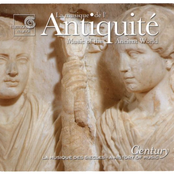
Music of the Ancient World
▥
La musique de l'Antiquite
▥
Christodoulos Halaris
▥
Music of Ancient Greece
▥
Crouching Tiger, Hidden Dragon
▥
Crouching Tiger, Hidden Drago
▥
Crouching Tiger Hidden Dragon
▥
Tigre et Dragon
▥
Atrium Musicae De Madrid
▥
A History of Music CD01: Music of the Ancient World (Music from the Earliest Times)
▥
La musique de l'Antiquité
▥
Century 1 - La Musique de l'Antiquité (Music of the Ancient World)