Loading details…

Artist
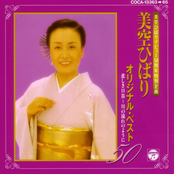
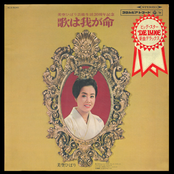
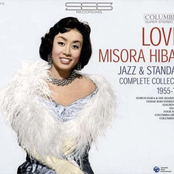
Misora Hibari
12+ albums
japanesefemale vocalistsenkajapankayoukyoku
about
Hibari Misora (美空 ひばり, Misora Hibari), (May 29, 1937 - June 24, 1989) was a Japanese singer and the predominant figure in postwar enka music. she was Born Kazue Kato (加藤和枝, Katō Kazue) in Yokohama, she was an accomplished singer by the age of seven, and appeared in film for the first time at age 12. Between 1949's Kanashiki kuchibue and 1971's Onna no Hanamichi, she appeared in over 60 movies. She was popularly known as the "Queen of Showa" as the first major Japanese celebrity of the postwar era. In April of 1987, on the way to a performance in Fukuoka, she suddenly collapsed. Rushed to hospital, she was diagnosed with bilateral femoral necrosis brought on by chronic hepatitis. Until August she was confined to hospital and eventually showed signs of recovery. She commenced recording a new song "Midaregami" in October, and in 1988 performed at a concert called Fushichou konsaato (Phoenix Concert) at the Tokyo Dome. Against overwhelming pain in her legs, she performed a total of 39 songs while assuring her fans that she had completely recovered. However, on 24 May 1989, having been re-admitted to the Juntendou hospital in Tokyo, she died from interstitial pneumonitis at the age of 52. Her death was widely mourned throughout Japan. In July 1989 after her death, she became the first female recipient of the National Prize of Honour (国民栄誉賞) for her longstanding contributions to the music industry. In 1993, the Misora Hibari-kan opened in Arashiyama, Kyoto. It was popular with f