Loading details…

Artist
Medieval English Music
12+ albums
early musicmedieval musicMinstrelsars novaEnglish medieval music
about
Surviving sources indicate that there was a rich and varied musical soundscape in medieval Britain. Historians usually distinguish between ecclesiastical music, designed for use in church, or in religious ceremonies, and secular music for use from royal and baronial courts, celebrations of some religious events, to public and private entertainments of the people. Our understanding of this music is limited by a lack of written sources for much of what was an oral culture. In the early Middle Ages, ecclesiastical music was dominated by monophonic plainchant. The separate development of British Christianity from the direct influence of Rome until the 8th century, with its flourishing monastic culture, led to the development of a distinct form of liturgical Celtic chant.[2] Although no notations of this music survive, later sources suggest distinctive melodic patterns. This was superseded, as elsewhere in Europe, from the 11th century by Gregorian chant. The version of this chant linked to the liturgy as used in the Diocese of Salisbury, the Sarum Use, first recorded from the 13th century, became dominant in England. This Sarum Chant became the model for English composers until it was supplanted at the Reformation in the mid-16th century, influencing settings for masses, hymns and Magnificats. Scottish music was highly influenced by continental developments, with figures like thirteenth-century musical theorist Simon Tailler studying in Paris, before returned to Scotland where h
top songs
albums
Gems Of The Medieval Music
English Songs Of The Middle Ages
Sumer Is Icumen In: Medieval English Songs
Melodious Melancholye
An English Ladymass
Medieval English Music
The Canterbury Pilgrims: Music For Chaucer's Prologue
Bestiarium
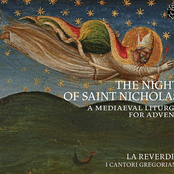
The Night Of Saint Nicholas
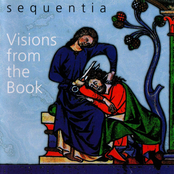
Visions From The Book
Insula Feminarum
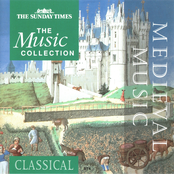
Medieval Music