Loading details…

Artist
Manfred Burzlaff
4+ albums
modern jazzcool jazzHard Bop
about
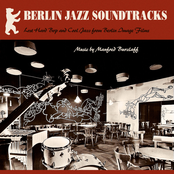
Born 1932 - died 2015. German vibraphonist and bandleader. Incredible today: Standing on a stage with Chet Baker in the late 50s when he still had his James Dean face. Jamming with Art Farmer, Dexter Gordon, Jim Hall and Lionel Hampton, who takes Manfred Burzlaff's mallets in his hands and plays on Manfred Burzlaff's vibraphone. Bebop, Hard bop. Rich harmonic schemes, improvisation, furious playing, nervous, metropolitan. Faster and rhythmically freer than the swing music he has played before, although Glenn Miller became a sensation for the German jazz lovers, especially for Manfred Burzlaff. Now, in May 1945, one no longer has to endure march music, no staccato goose-step, no songs of perseverance, no Wagnerian pomp. One can turn on the radio, tune in to one of the American channels and then listen to this new music called Jazz ... just like that. Jazz, which was hated by the Nazis, for whom twelve-year old Manfred Burzlaff had to perform in front of military audiences, with his excellent accordion and piano skills. After listening to Glenn Miller, Art van Dam`s music on a vibraphone is another key moment. And then, a little later, Lionel Hampton "topped all previous experiences," as Burzlaff points out. Being 20 years old, he studies music at the conservatory and switches to the vibraphone, a percussion instrument similar to the marimba, except that the plates are not made of wood, but of a hard metal alloy. Now he starts to perform. "At that time smaller combos grew like
why this is interesting
This album documents a formative moment in European jazz history, capturing a German musician navigating the bebop revolution while maintaining deep roots in swing tradition. Burzlaff's vibraphone work demonstrates sophisticated harmonic awareness and rhythmic flexibility—he moves fluidly between the structured elegance of his Glenn Miller background and the faster, more unpredictable vocabularies of hard bop. What distinguishes these sessions is their collaborative intensity: watching seasoned Americans like Dexter Gordon and Art Farmer engage seriously with a European peer reveals how jazz was genuinely international, despite its American mythology. The recording preserves not celebrity but craft—the nervous metropolitan energy of musicians thinking together in real time.