Loading details…

Artist
Lupicínio Rodrigues
12+ albums
mpbsambabrasilchorodor-de-cotovelo
about
A fertile and successful composer recorded by the biggest names of Brazilian music, Lupicínio Rodrigues symbolizes an entire tradition of dramatic, sentimental, and melancholic Brazilian feeling in music (fossa, dor-de-cotovelo). He was born in a Porto Alegre neighborhood, which was the meeting point for the musicians who played on cruise ships. In spite of being poor, his father matriculated him at the expensive Colégio São Sebastião, from which he was expelled because he insisted on playing rhythms and singing during classes. He completed his junior school and became a mechanic, working at Carris and Micheletto companies. In 1928, he wrote his first composition, "Carnaval," for the band Moleza, winning a local contest. His father, worried with his Bohemian habits, presented him to the Army as a "volunteer" at 15, with forged documents. As a crooner for the group Catão, he was praised by Noel Rosa during his visit to Porto Alegre. Rosa predicted a great future for the youngster. Rodrigues was then sent into combat in São Paulo during the 1932 Constitutional Revolution. Upon returning, he was transferred to Santa Maria, where "Carnaval" won another contest, interpreted by the Carnaval block Rancho Suco. Met his first love, Inah, who would be his first source for a long series of compositions inspired by the pains of loving. His xote "Felicidade," a very popular song even today, and "Zé Ponte" are both from that period. Returning to Porto Alegre in 1935, he left the Army and
top songs
albums
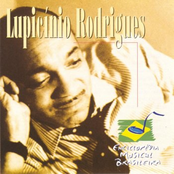
Enciclopédia Musical Brasileira
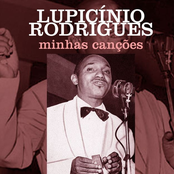
Minhas Canções

A música brasileira deste século por seus autores e intérpretes
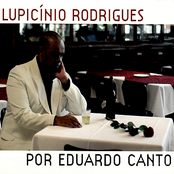
Por Eduardo Canto
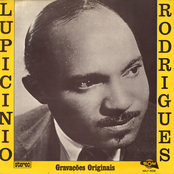
Gravações originais
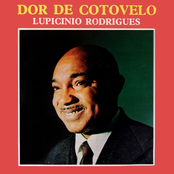
Dor de Cotovelo
▥
www.almacastelhana.com.br
▥
MPB Compositores CD 23

A música brasileira deste século por seus autores e intérpretes: Lupicínio Rodrigues
▥
(1973) Dor de Cotovelo
▥
A Música Brasileira Deste Século Por Seus Autores e Intérpretes Vol. 1 - CD 10
▥
Enciclopédia Musical Brasileira: Lupicínio Rodrigues