Loading details…

Artist
Luiz Gonzaga
12+ albums
Forrobaiaompbbrazilianbrasil
about
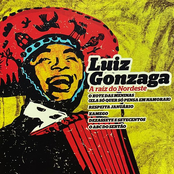
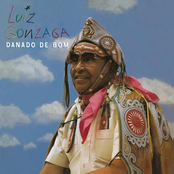
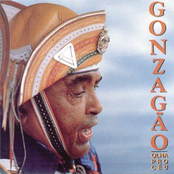
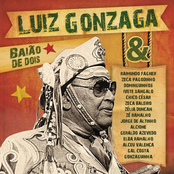
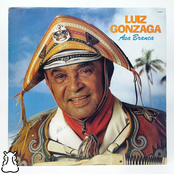
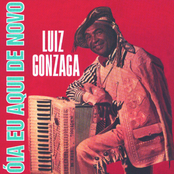
Luiz Gonzaga do Nascimento (Exu, Pernambuco, December 13, 1912 — Recife, Pernambuco, August 2, 1989) was a prominent Brazilian folk singer, songwriter, musician and poet. Born in the countryside of Pernambuco, he is considered to be responsible for the promotion of Northeastern ("nordeste") music throughout the rest of the country. He is also known as the "king of baiao" and "Gonzagão". The son of a peasant and accordion player, he was attracted to the 8-bass accordion at an early age, although he started out by accompanying his father by playing the zabumba (a type of bass drum) and singing at parties and religious celebrations. He left home in 1930 to join the army, and toured Brazil with an army band until 1939. Gonzaga decided to remain in Rio de Janeiro with a recently purchased accordion. He performed in the streets and in bars, playing boleros, waltzes and tangos. After noticing that the Northeastern immigrants missed the music from their hometowns, he started to give listeners the sort of music they craved to hear: xaxados, baiões, chamegos and cocos. At Ary Barroso’s talent show, Luiz Gonzaga played his chamego "Vira e Mexe" and was acclaimed by the audience and by the dreaded host, who gave him the highest score. In 1943, he dressed up in typical Northeastern costumes for the first time to perform live, and got hyped. Later on, as well as playing popular tunes on the accordion, he began to sing his own material, and his skills as a songwriter were revealed. Go