Loading details…

Artist
Lord Shorty Creator of Soca Music
12+ albums
calypsosocatrinidad and tobagotrinidad
about
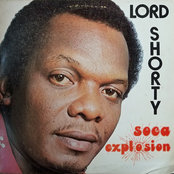
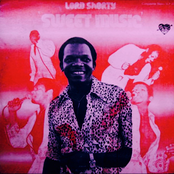
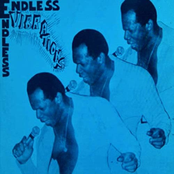
Ras Shorty I (October 6, 1941-July 12, 2000) was a soca musician, known as the Father of Soca and The Love Man. He was born Garfield Blackman in Barrackpore, Trinidad and Tobago, and rose to fame as Lord Shorty with his 1963 hit "Clock and Dagger". He started out writing songs and performing in the calypso genre. In the 1970s, he began experimenting with calypso by blending it with the local chutney—the music of Trinidad's East Indian population—using instruments such as the sitar and tabla. The style was dubbed "soca". Lord Shorty, as he is still known, released his hit song "Indrani" in 1973, which is considered the first recorded soca piece. The following year's Endless Vibrations earned him a devoted fan base, and a following of musicians who began performing in his style. His fame continued to grow throughout the 1970s, and he became one of the country's top performers. He recorded tracks such as Kim and Money Eh No Problem, which was a stinging political and social commentary based on the words of Trinidad's then Prime Minister, Eric Williams of the People's National Movement. Money Eh No Problem was used in a political advertising campaign in 2000 for the United National Congress. In his early days, he was a known womanizer and fathered 23 children. In 1984, he voiced his disenchantment with soca, claiming it was being used for the wrong reasons. A short time thereafter, he embraced a strict form of Christianity, adopted the name Ras Shorty I and moved with his family
why this is interesting
This work deserves attention as a document of genuine cultural invention. Ras Shorty I didn't simply combine existing genres—he created a framework for musical dialogue between Trinidad's African and Indo-Caribbean communities at a moment when such bridges were uncommon. The album showcases his willingness to experiment with unfamiliar instruments like the sitar and tabla alongside calypso structures, demonstrating that musical innovation emerges from listening across cultural boundaries rather than reinforcing them. What emerges is neither diluted compromise nor superficial fusion, but a distinctive sound that fundamentally altered Caribbean music's trajectory. For anyone interested in how artists respond to their communities' complexities through craft, this represents instructive listening.